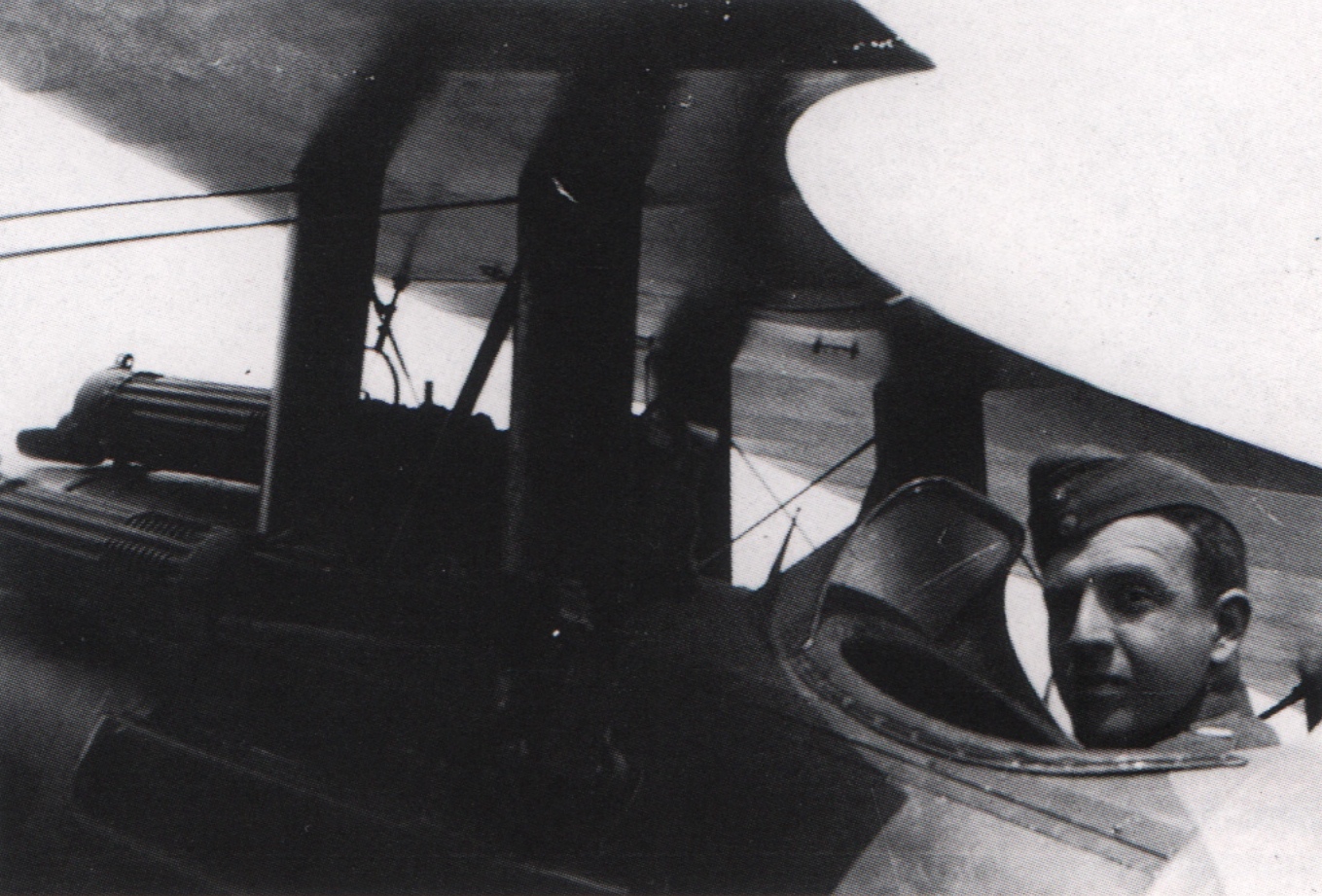
Doughboy MIA For August 2023: First Lieutenant Sidney Paul Thompson
A man is only missing if he is forgotten. Awarded [...]
A man is only missing if he is forgotten. Awarded [...]
“They roll about,” wrote Brown of his subjects, “gripping at [...]
Nearly eight months to the day after Armistice had been [...]
The story of how American troops battled Lenin’s soldiers in [...]
On the one hand, Mrs. Stan Harding Krayl, as she [...]
Throughout the years, Mark Weber heard many fascinating tales about [...]
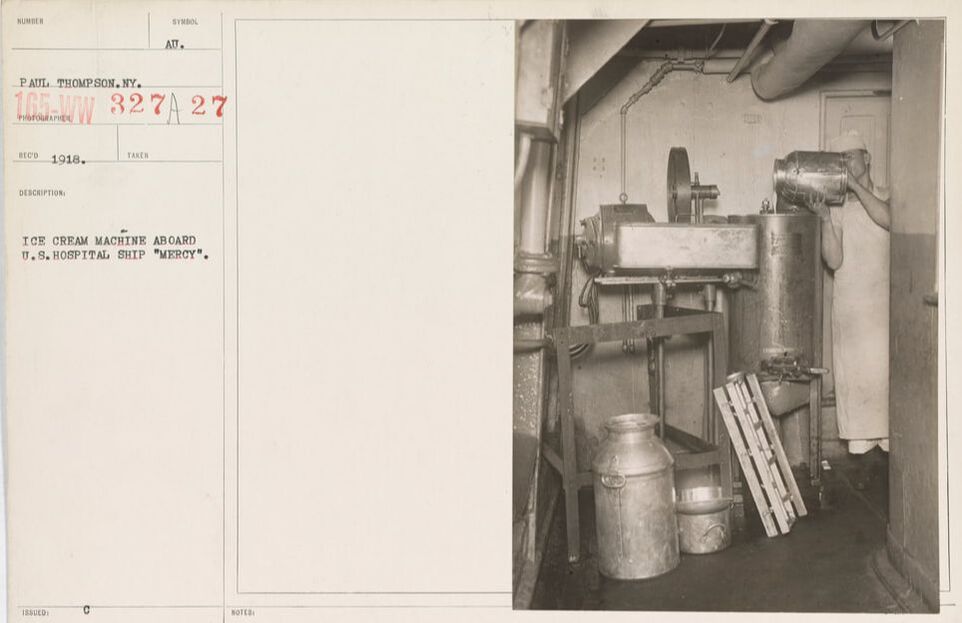
Ice Cream, the Navy, and World War I I've been [...]
Imagine you’re a twenty to-year-old 2nd L.T. in the U.S. [...]
During World War I, Anna Coleman Ladd – born 145 [...]
Last spring, I posted a two-part blog about Howard Lee Strohl, an [...]
Keep Faith with the American Doughboy

The Doughboy Foundation
1455 Pennsylvania Ave NW
Suite 400
Washington, DC 20004
(202) 380-0725
A 501(c)(3) non-profit organization established in 2013.
© 2020–2023 The Doughboy Foundation. All rights reserved.