How World War I Reshaped Industrial Cities Like San Francisco and Los Angeles
Published: 5 December 2025
By Emily Carter
Special to the Doughboy Foundation website
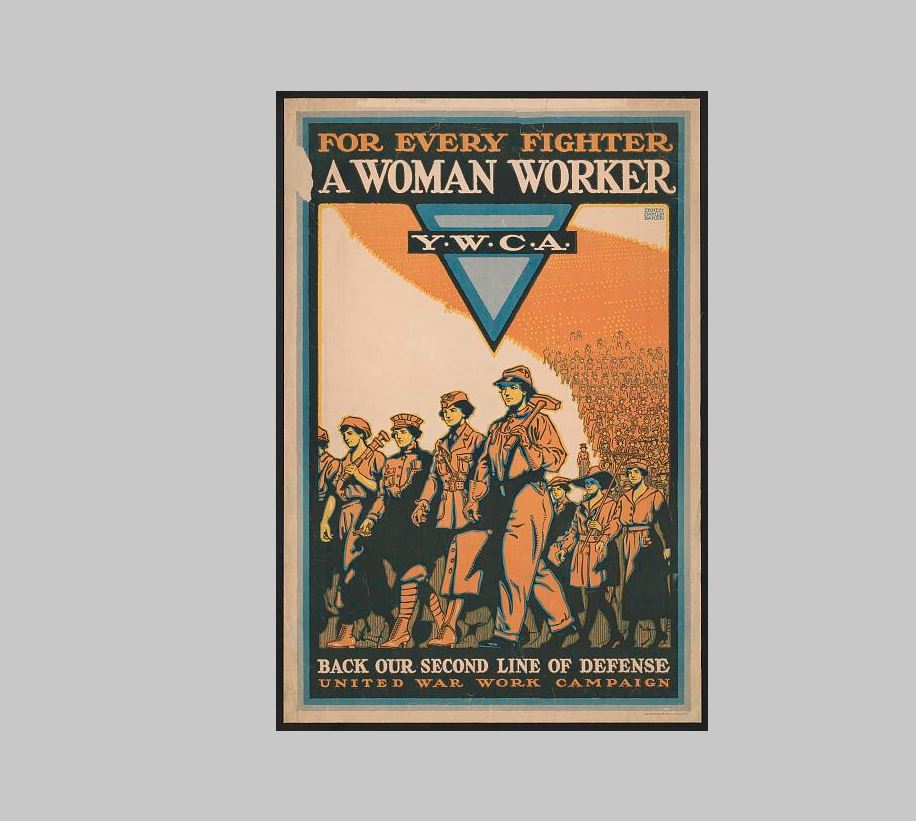
Woman Worker framed
When we think about the First World War, we often picture European battlefields and diplomatic tensions far from the United States. But the war years also triggered major changes at home, especially in cities that were already moving toward an industrial future. Places like San Francisco and Los Angeles didn’t see combat, but they felt the pressure of wartime production, labor shifts, and population growth. These changes didn’t fade after 1918. They shaped how both cities developed throughout the 20th century. Today, we’ll dive together into all the ways WWI reshaped industrial cities like San Francisco and Los Angeles.
A Different Kind of Front Line
When the U.S. entered the war in 1917, industries on the West Coast were suddenly expected to support the national effort. Shipbuilding, steel, oil, transportation, and communications became essential. San Francisco and Los Angeles responded fast because they already had the foundations in place. The ports were busy, skilled workers were available, and companies understood how to scale up.
At that time, the city wasn’t yet the entertainment powerhouse people think of today. Its industrial side was expanding, and the war acted as a catalyst.
New Labor Dynamics
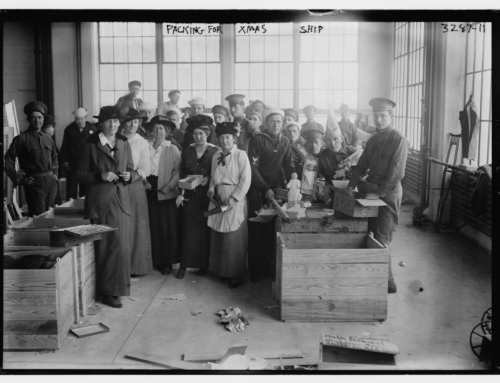
The rush to fill industrial jobs changed the workforce in both cities. Labor shortages opened doors for groups that had previously been excluded from many industrial roles. Women entered the workforce, starting to work in factories and shipyards in higher numbers, taking on technical and production work that had been dominated by men. Immigrant workers also took on a larger share of industrial jobs.
San Francisco’s longshore and shipyard workers pushed for organized labor protections during these years because the pace of wartime production made basic stability more important. In Los Angeles, the situation was different. The city’s major employers were more resistant to union activity, but workers still gained leverage. Companies needed labor too badly to impose the same restrictions they had before. These shifts didn’t disappear when the armistice was signed. They laid the groundwork for future labor debates that would unfold in both cities throughout the 1920s and 1930s.
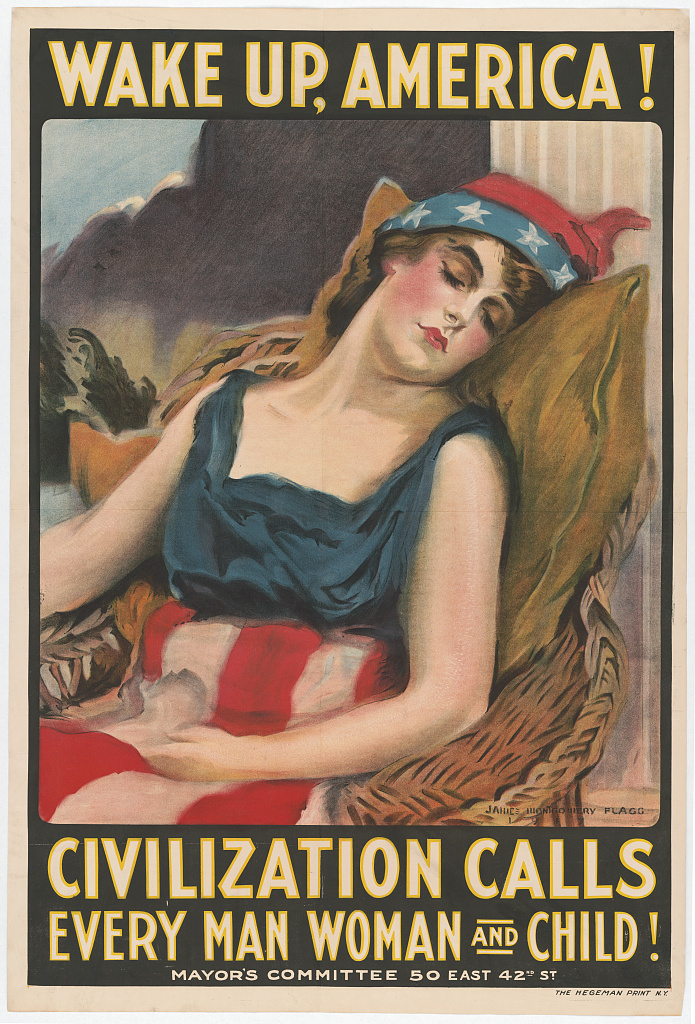
The Great War had a huge impact on the workforce, mobilizing a huge part of the population that was previously left out of these roles.
Population Growth and Housing Pressure
Jobs attracted people from around the country, and both cities had to respond quickly. San Francisco, already dense, absorbed new workers into neighborhoods that were still rebuilding after the 1906 earthquake. Transit expanded, rents rose, and the demand for housing outpaced supply.
Los Angeles experienced even faster movement. Entire districts filled almost overnight as factories and workshops hired thousands. What’s interesting is how many people treated these wartime relocations as long-term decisions. Families moved into new subdivisions, sometimes with very little certainty about whether their wartime jobs would last.
This is also where you can see the early roots of the relocation culture that still exists on the West Coast today. People continued to move in and out of these cities long after the war ended, following work in manufacturing, shipping, and later aviation. Modern moves might look different, but the idea is the same: people relocate when industry shifts. You can learn more about current moving trends in the area through community forums and local moving company websites. One example is Eagle Star Moving, a reliable company that also publishes useful insights about local relocation patterns.
The Rise of New Industries
WWI didn’t just boost existing industries; it helped introduce new ones. In San Francisco, the war strengthened the maritime and communication sectors. Companies connected to shipping, telegraphy, and radio grew because the government needed reliable West Coast operations for military coordination. Manufacturing also expanded, though shipbuilding remained the dominant wartime industry.
Los Angeles saw a rise in sectors that would eventually define its identity. Aviation, which was still in its early stages, got a push from wartime demand for aircraft parts and training facilities. Oil production also increased. The city already sat on significant petroleum resources, and wartime shipping needs made this even more valuable. These industries would later support the region’s economic boom in the 1920s and beyond.
Urban Planning Begins to Shift
The war years forced city planners to confront new challenges. Transportation, zoning, housing, and infrastructure all needed upgrades, and both cities approached the problem in different ways.
San Francisco continued to build upward and inward. The city invested in transit, expanded streetcar lines, and rebuilt port facilities. Its geography limited expansion, so the emphasis remained on density and accessibility.
Los Angeles expanded its streetcar network as well, but it leaned into the idea of a decentralized city. Wartime factories often appeared on the outskirts, creating pockets of industrial activity far from the downtown core. This encouraged residential development to spread out, supported by rail connections that allowed workers to travel longer distances.
Cultural and Social Effects
Beyond the economic and structural changes, WWI reshaped industrial cities like San Francisco and Los Angeles in regard to their cultural identities, too. For instance, San Francisco had a long-established immigrant population, particularly from China, Japan, Italy, and Ireland. On the other hand, Los Angeles was becoming a major destination for Mexican and Central American migrants, as well as Americans from the Midwest and South. The city’s new industrial roles made it more diverse, and many of these communities stayed after the war, eventually shaping the region’s cultural landscape.
Both cities also saw the growth of civic organizations, veterans’ groups, and new social clubs. The return of soldiers created demand for support services, mental health support for their silent wounds, job programs, and community spaces.
The Postwar Transition
After the war ended in 1918, both cities had to figure out how to manage the rapid expansion the conflict had triggered. Wartime industry contracts declined, and some factories closed or downsized. Still, many of the industries that grew during the war remained important. Population growth continued through the 1920s in both places. The pressure on housing and infrastructure didn’t disappear, and local governments continued debating how to manage it. But the basic shape of each city, San Francisco as a dense, transit-driven hub and Los Angeles as a wide, multi-centered region, was already set by the end of the war.
A Lasting Legacy
The topic of how WWI reshaped industrial cities like San Francisco and Los Angeles is extensive. While WWI may not dominate California history books the way the Gold Rush or Hollywood does, its impact on these cities is unmistakable. The war forced both cities to expand their workforces, develop new industries, grow their populations, and rethink city planning. These changes didn’t happen overnight, but the urgency of wartime production accelerated them in ways that still matter today.
Emily Carter is a California local and a history enthusiast who enjoys writing about how past events shaped the state’s major cities. She focuses on clear, accessible stories that connect everyday life with broader historical changes.
External Web Site Notice: This page contains information directly presented from an external source. The terms and conditions of this page may not be the same as those of this website. Click here to read the full disclaimer notice for external web sites. Thank you.