The ‘Iron Division’ of World War I came from the Pennsylvania National Guard
Published: 13 June 2026
By Dave Grove
via the We Are the Mighty website
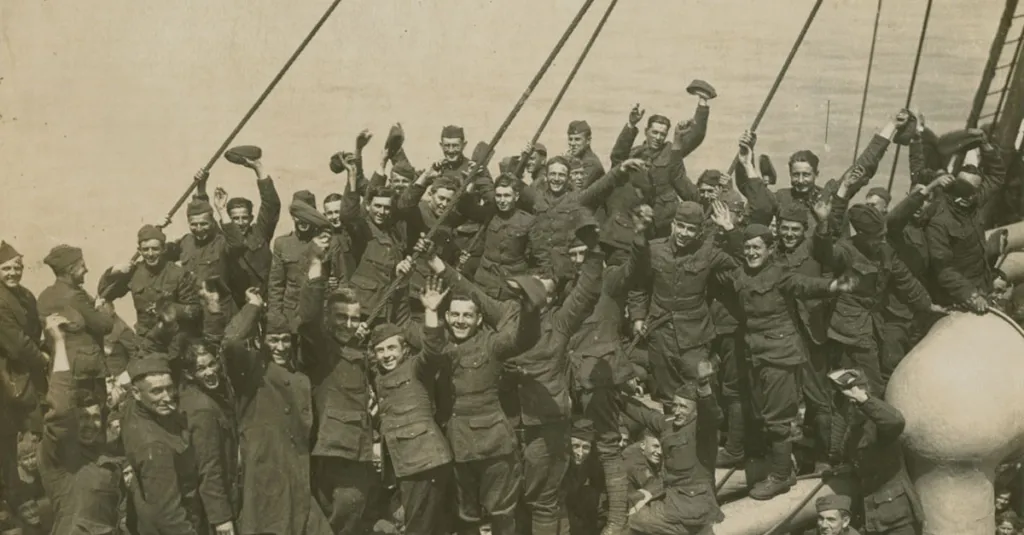
28th-infantry-division-returns-from-world-war-I-wikimedia-commons
The 28th Infantry Division of the Pennsylvania National Guard returns to Philadelphia from serving in Europe during World War I. (Wikimedia Commons)
The 28th Infantry Division deserves some respect.
In major conflicts throughout American history, the lines are blurred between who did what and when. Unless someone decides to “Stephen Ambrose” your unit, any action or glory is usually reduced to a paragraph in a history book or a vaguely accurate sentence on Wikipedia.
The National Guard’s exploits get reduced to a negative stereotype. While it may not be all inaccuracies or embellishments of reality, the majority of National Guard history gets rolled in with everyone else’s.
Also Read: Why the National Guard should embrace its illustrious history
When someone mentions the 28th Infantry Division, you may automatically assume they’re active duty. But the reality is that they’re the Pennsylvania National Guard’s Keystone Division, and it’s time to put some respect on their name.
The Oldest Division in the Army
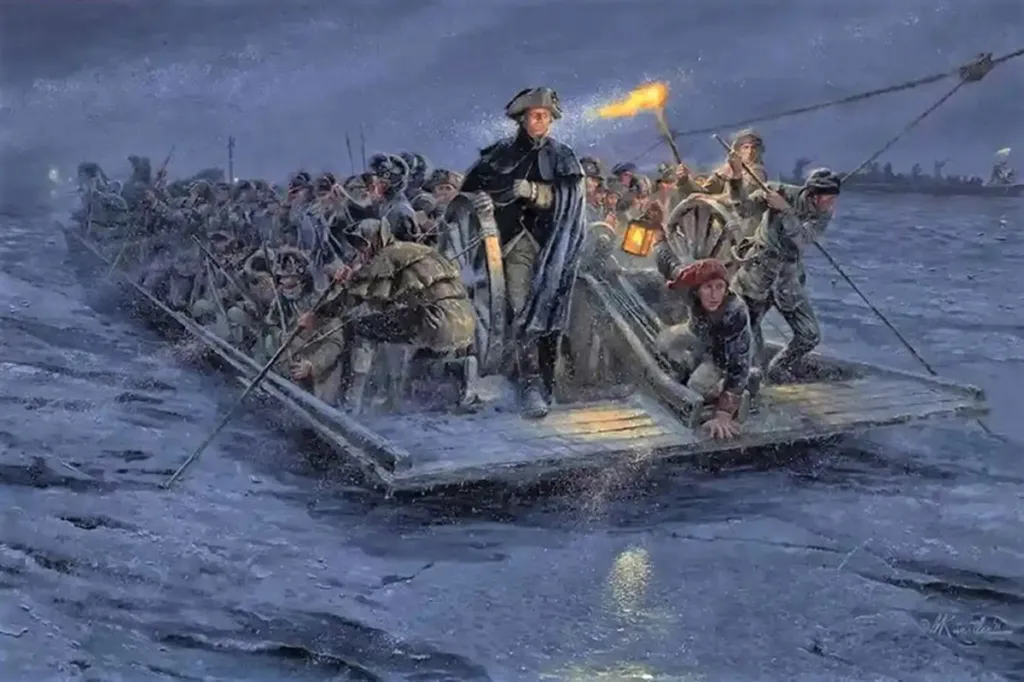
In this painting by Mort Künstler, Gen. George Washington leads the Continental Army across the Delaware River on the night of December 25-26, 1776. The Army included the Pennsylvania Associator Artillery battalion’s 1st Company of 6 guns and the Philadelphia Light Horse. (Pennsylvania National Guard)
The 28th Infantry Division traces its lineage all the way back to Benjamin Franklin’s battalion, the Pennsylvania Associators, as part of the larger Associators formation in 1747. The Associators were militias who were exempt from regular mandatory military service. They officially organized as the 28th ID in 1917, when the United States entered World War I, and deployed to the front in July 1918.
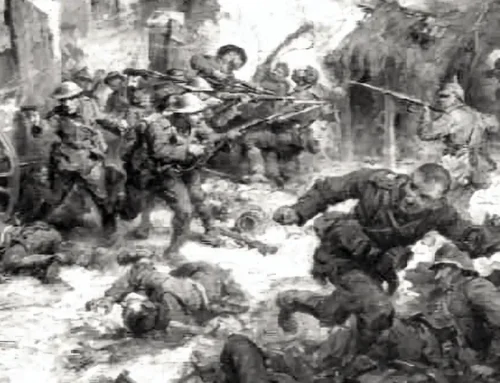
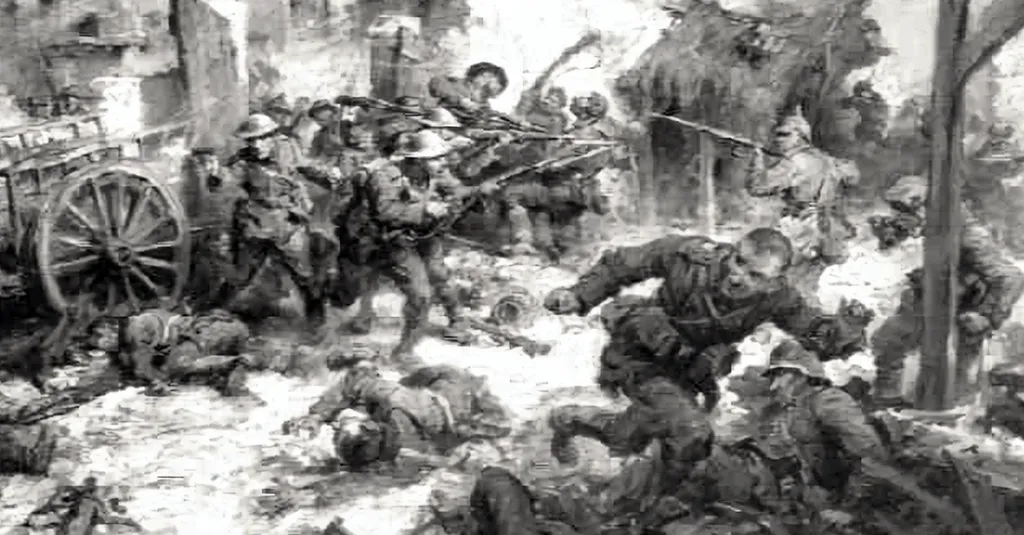
A German assault began what became known as the Battle of Chateau-Thierry and eventually turned to hand-to-hand combat. The 28th ID held the line and successfully repelled the Germans. During the battle, four companies from the 109th and 110th Infantry sustained heavy losses. Gen. John Pershing, the commander of the American Expeditionary Forces, visited after the battle and declared the 28th “Men of Iron” and dubbed them his “Iron Division.”
The division went on to fight in the Meuse-Argonne offensive and the Second Battle of the Marne. Overall, the 28th sustained more than 14,000 casualties, with over 2,000 service members dying. They returned to the United States in April 1919 and refocused their efforts on training.
Read the entire article on the We Are the Mighty website here:
External Web Site Notice: This page contains information directly presented from an external source. The terms and conditions of this page may not be the same as those of this website. Click here to read the full disclaimer notice for external web sites. Thank you.