How World War I Training Camps Helped Shape Modern Texas Communities
Published: 13 November 2026
By Daniel Whitaker
Special to the Doughboy Foundation website
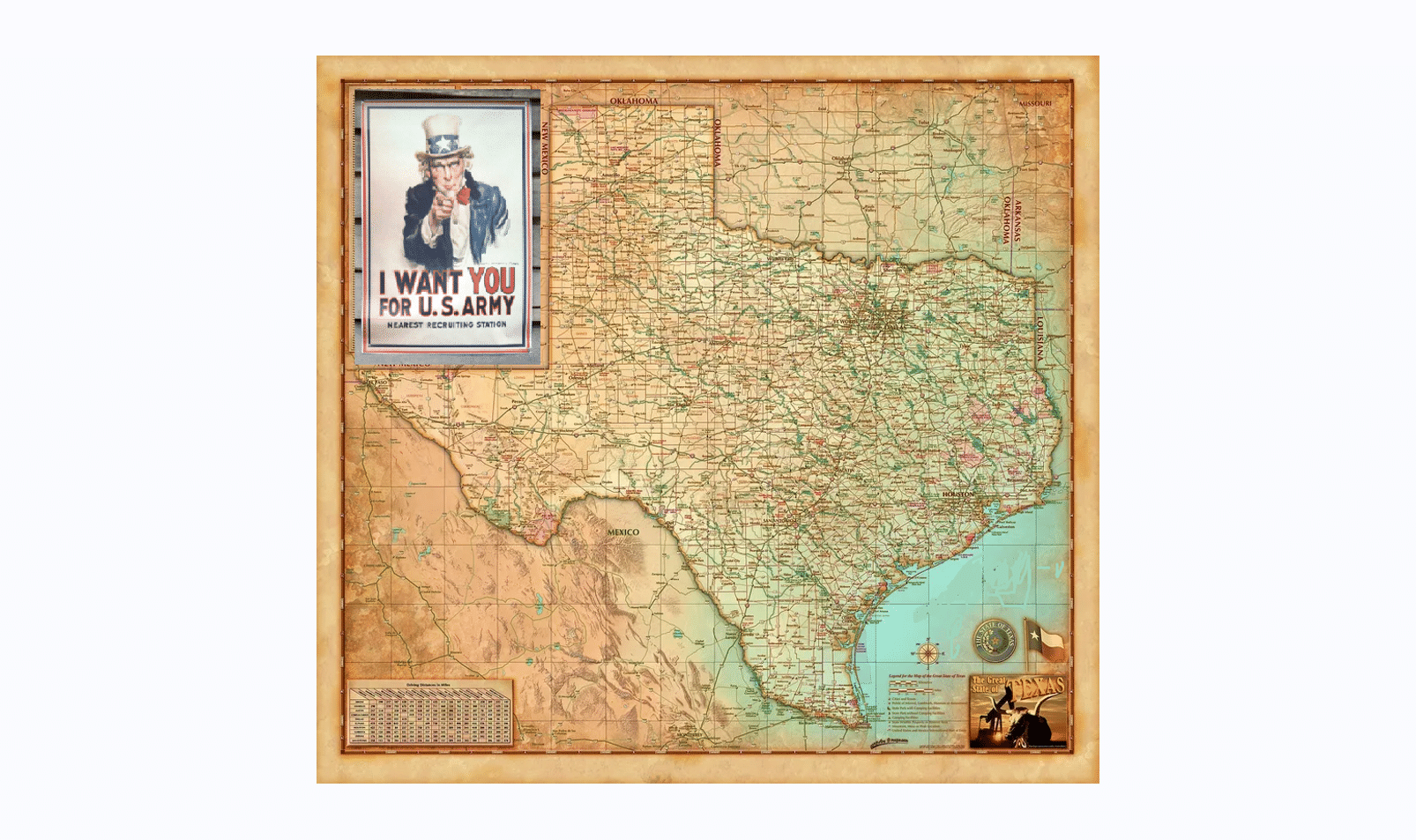
Texas map with Uncle Sam poster framed
In the summer of 1917, crews began clearing land three miles west of downtown Fort Worth. Within weeks, tens of thousands of soldiers lived there. Similar scenes played out in San Antonio, Waco, and Houston. Knowing how World War I training camps helped shape modern Texas communities explains a lot about these cities today. It explains why certain streets carry military names, why some neighborhoods filled up so fast in the 1920s, and why several airports sit where they do. For anyone settling into a Texas city, this history is written right into the map.
Why Did Texas Become a Major Training Ground in 1917?
Texas offered what the U.S. Army needed most in 1917: open land, mild winters, and strong rail connections. When the United States entered the war that April, its peacetime Army was small. Congress passed the Selective Service Act on May 18, 1917, and the nation suddenly had to house and train huge numbers of draftees. It did so in cantonments. A cantonment is a large temporary military camp built to house and train troops. Texas also had room for rifle ranges and trench systems that crowded eastern cities could not easily offer.
Texas cities competed hard for these camps because local leaders expected a financial boost. The state’s share of the war effort was enormous, with 184,493 Texans serving in the armed forces, according to the Texas State Historical Association. Neighboring states saw the same rush, and a museum at Camp Shelby now helps visitors explore Mississippi’s WWI military heritage.
How Did Camp Bowie Reshape Fort Worth?
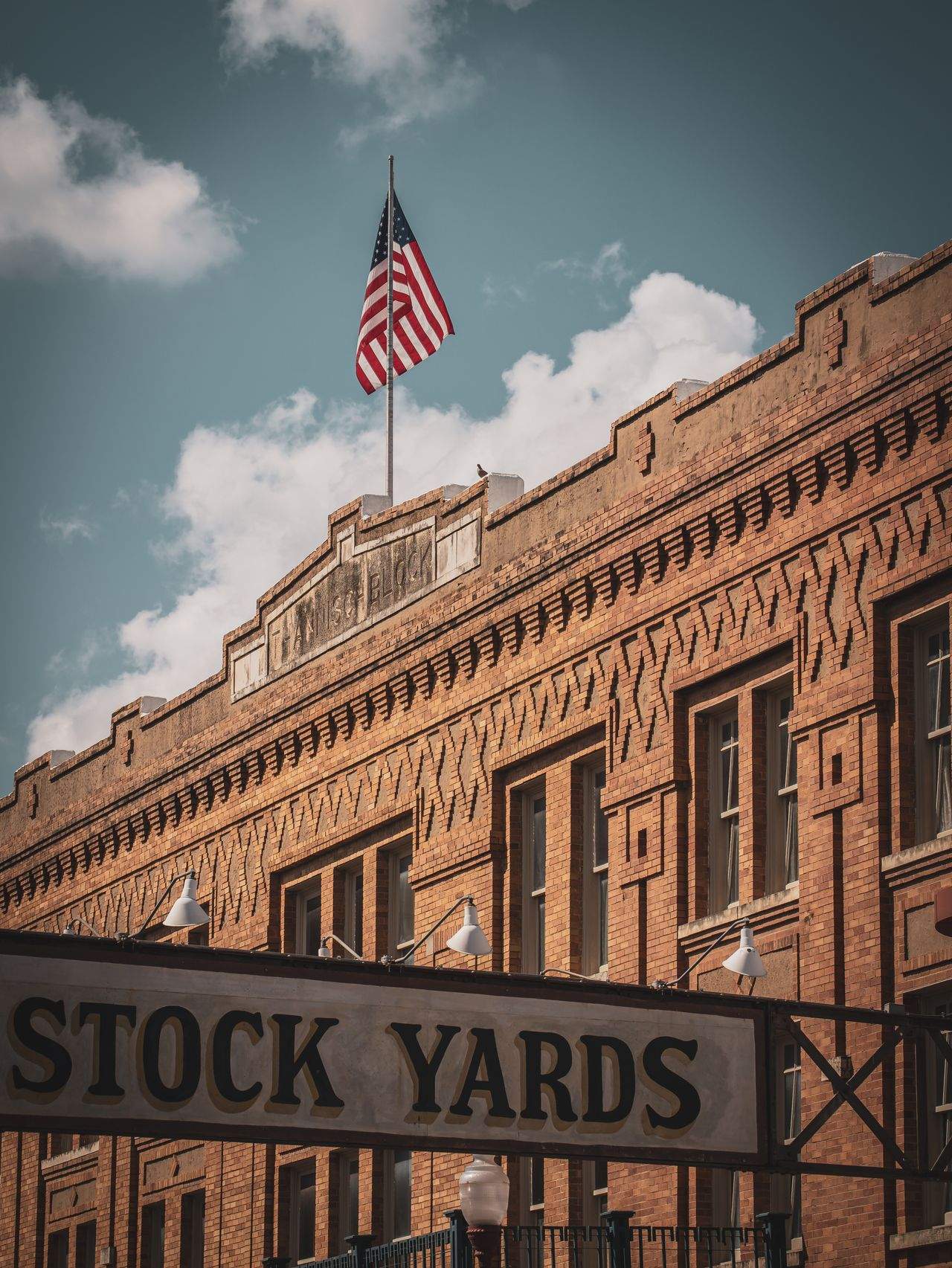
The historic Fort Worth Stockyards, a few miles from the former Camp Bowie grounds, where more than 100,000 men trained for World War I
Camp Bowie turned the quiet western edge of Fort Worth into a city of soldiers. Construction began on July 18, 1917, in the Arlington Heights area, and the camp officially opened on August 24. It covered 2,186 acres, including a rifle range and a system of practice trenches. More than 100,000 men trained there, many of them with the 36th Infantry Division, built from Texas and Oklahoma National Guard units.
The camp closed on August 15, 1919, but its footprint stayed. Builders quickly turned the grounds into homes, using the utility hookups the Army left behind. Arlington Heights grew into one of the city’s most established neighborhoods, and its main road became Camp Bowie Boulevard. The red brick paving still sets the tone for the west side, so anyone weighing life in Fort Worth will likely spend weekends along that historic corridor.
Which Other Texas Cities Grew Around the Camps?
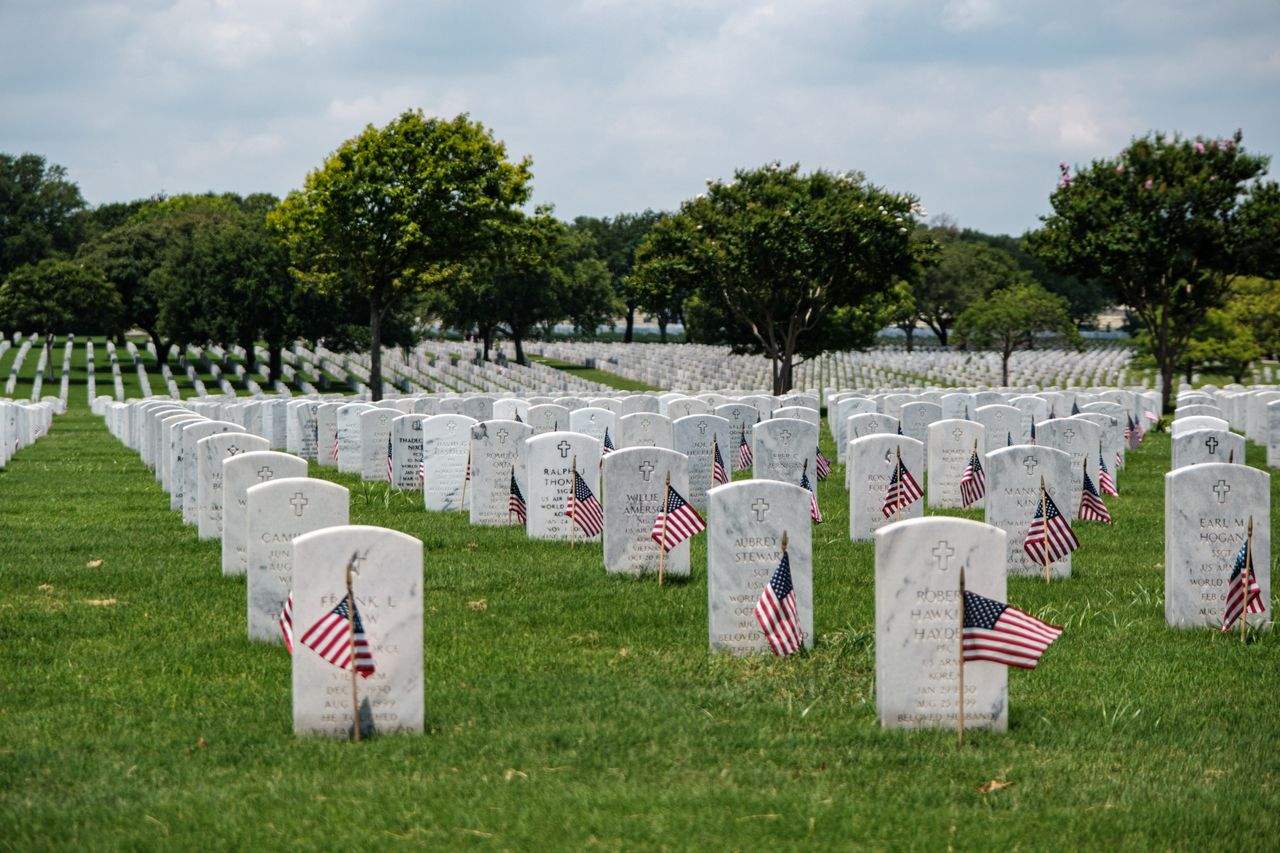
Flags mark graves at Fort Sam Houston National Cemetery in San Antonio; Camp Travis was built beside Fort Sam Houston in 1917, and the post absorbed the camp in 1922
San Antonio, Waco, and Houston all hosted major camps, and each city absorbed that growth in its own way. Camp Travis in San Antonio was ready for troops in August 1917, right beside Fort Sam Houston, and it trained the 90th Division. After the war, it served as a demobilization center and discharged about 62,500 soldiers. Fort Sam Houston absorbed the camp in 1922, and that permanent military presence still shapes the local economy.
Waco’s Camp MacArthur worked almost like a small city, with 1,284 buildings and room for 45,074 troops. After it closed on March 7, 1919, the grounds became part of Waco itself. In Houston, the former Camp Logan site later became Memorial Park, named in honor of those who served. Local families fed, entertained, and hosted the soldiers in all of these towns, tying each camp closely to life on the home front.
How World War I Training Camps Helped Shape Modern Texas Communities
The camps left three lasting marks on Texas cities: infrastructure, new land uses, and long-term military investment. The Texas State Historical Association’s history of Camp Bowie shows how fast one site went from open land to a populated neighborhood. Similar patterns repeated across the state:
- Infrastructure: Roads, rail spurs, and utility lines built for soldiers later served new residential streets.
- Land use: Former camp grounds became homes, parks, and city districts instead of returning to pasture.
- Military presence: Several sites grew into permanent bases or airports that remain economic anchors.
Aviation left an especially visible mark. Texas gained nine flying fields during the war, including Kelly Field in San Antonio, Love Field in Dallas, and Ellington Field in Houston. More World War I pilots earned their wings at Kelly Field than at any other airfield in the country. Love Field still serves Dallas travelers today, and the old Kelly site now operates as Port San Antonio. Ellington Field remains active too, serving as a joint civil and military airport in southeast Houston.
Where Can You Still See Traces of the Camps?
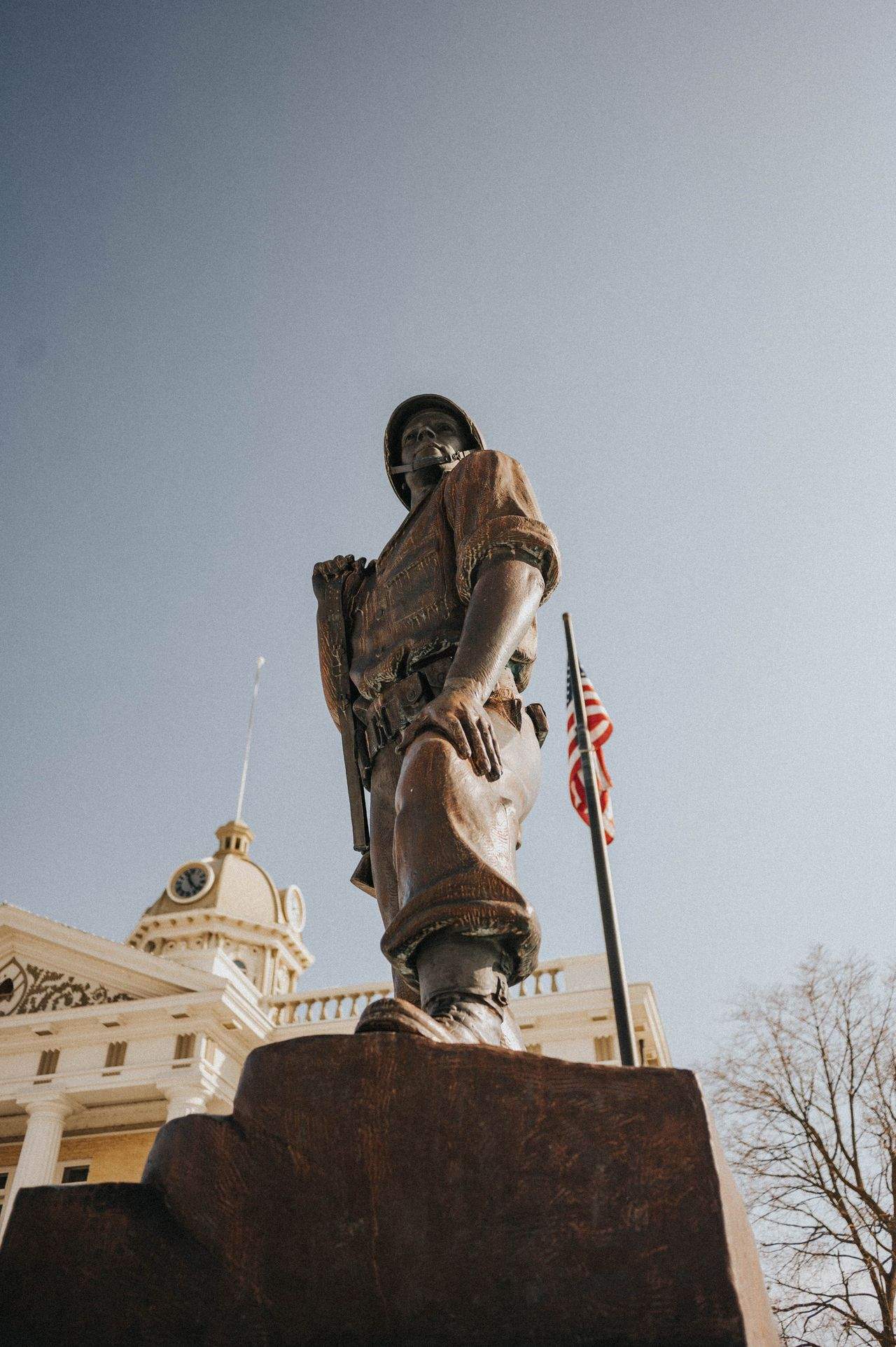
A bronze soldier memorial stands beside the American flag in Salt Lake City, Utah. Hometown war memorials like this, many raised in the years after 1918, are among the easiest traces of the war to find in American towns.
Many traces of the wartime camps survive if you know where to look. In Fort Worth, Camp Bowie Boulevard keeps the camp’s name alive, and a state historical marker records its wartime role. In Waco, a marker placed in 1966 identifies the Camp MacArthur site. Houston’s Memorial Park, meanwhile, honors the soldiers who trained at Camp Logan.
For a statewide route, the Texas Historical Commission’s Texas and the Great War travel guide maps sites in every region. It makes a good weekend project for new residents who want to learn their region’s layout and its past at the same time.
Why Do Local Doughboy Memorials Still Matter?
Doughboy memorials connect a neighborhood’s history to the real people who trained and served. A doughboy is the popular nickname for an American infantryman in World War I. Many Texas towns raised statues and plaques after 1918, and these monuments still rely on community care. The recent damage to New Braunfels’ WWI “American Doughboy” memorial shows how fragile such landmarks can be. Local historical societies and veterans groups often lead the fundraising and repair work that keeps them standing.
Reading Your Texas Neighborhood as Living History
World War I changed the nation by turning a small volunteer Army into a mass, draft-based force, and Texas cities grew to absorb that change. Street names, park boundaries, and older housing patterns often point straight back to 1917. Understanding how World War I training camps helped shape modern Texas communities adds depth to any walk through Arlington Heights, central Waco, or San Antonio’s northeast side. If you are new to a Texas city, start with the nearest historical marker. Then visit a local memorial and see how much of the past still sits right outside your door.
 Daniel Whitaker is a freelance writer based in Austin, Texas. He covers American military history and the stories behind Texas towns. He grew up hearing about a great-grandfather who trained at Camp Travis in 1917. That family story turned into a long interest in how World War I reshaped American communities, from the camps and airfields to the doughboy memorials still standing in town squares. When he’s not writing, he visits historical markers across the state with his family.
External Web Site Notice: This page contains information directly presented from an external source. The terms and conditions of this page may not be the same as those of this website. Click here to read the full disclaimer notice for external web sites. Thank you.