How World War I Helped Transform New Jersey Into a Commuter State
Published: 12 June 2026
By Margaret Donnelly
Special to the Doughboy Foundation website
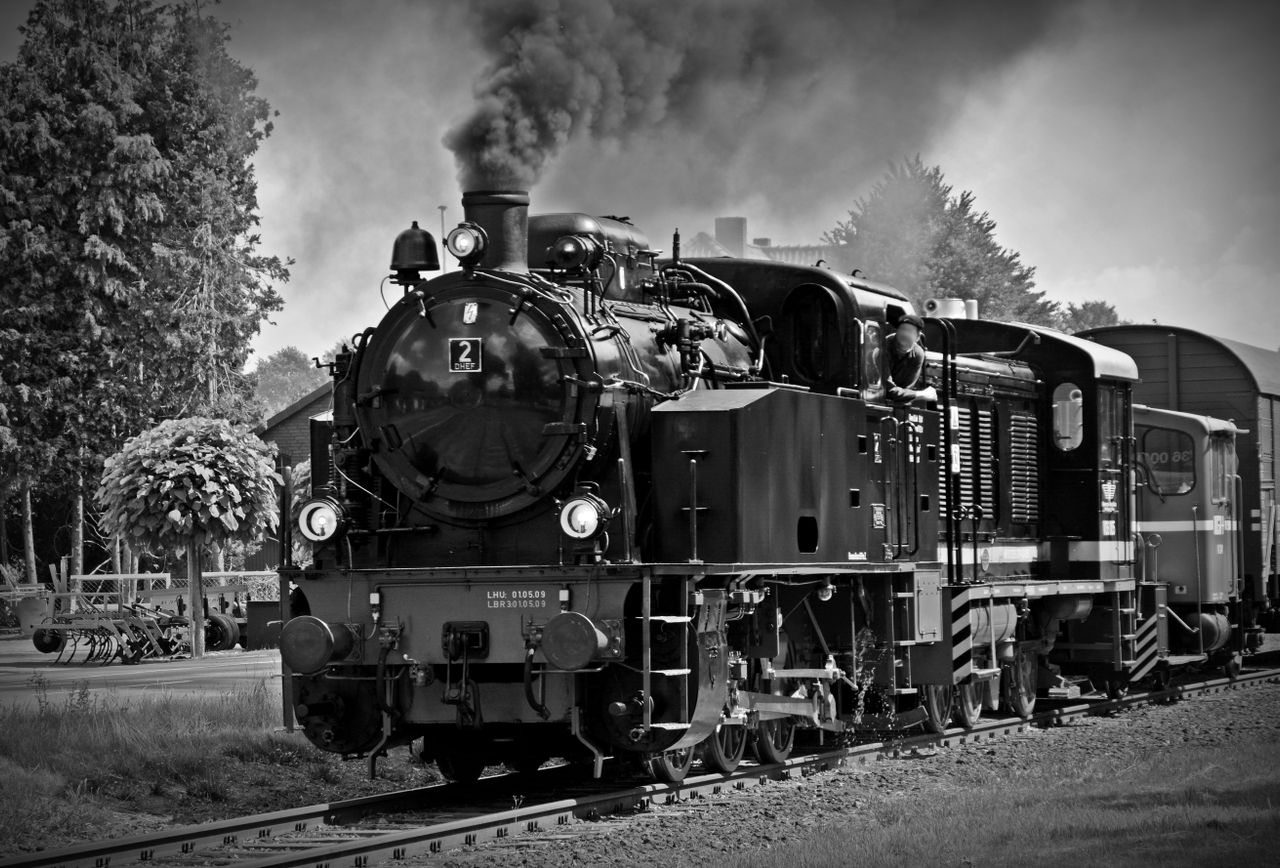
doughboy.org_How World War I Helped Transform New Jersey Into a Commuter State3
Long before the Garden State Parkway was a gleam in any planner’s eye, New Jersey was already becoming a commuter state — and the engine driving that transformation was a war fought an ocean away. When the United States entered World War I in 1917, the state’s factories, shipyards, and munitions plants went into overdrive. Workers poured in from across the country, settling near rail lines that connected industrial hubs to quieter towns inland. The patterns laid down between 1917 and 1919 — where people lived, how they got to work, and which communities grew fastest — would define New Jersey’s identity for the rest of the twentieth century.
How Did World War I Turn New Jersey Into an Industrial Powerhouse?
New Jersey was already an industrial state before the war, but the conflict accelerated its output to a scale few had imagined. Munitions factories, oil refineries, and shipbuilding companies expanded rapidly to meet Allied demand, drawing tens of thousands of new workers into the state.
Hoboken served as a major point of embarkation for American troops heading to Europe, and facilities throughout northern and central Jersey worked around the clock supplying war materials. Understanding the scale of that effort means looking at the home front as a whole — because in New Jersey, every aspect of daily life shifted to support the war machine.
The state became one of the most important production zones in the country. Boom towns appeared near factory sites almost overnight. Some barely existed on maps before 1914. Others — like Newark, Elizabeth, and Bayonne — swelled with workers who needed places to sleep, eat, and eventually put down roots.
Which Towns Grew as Workers Moved Closer to the Factories?
Workers who relocated to New Jersey during the war years didn’t simply move into city tenements. Many pushed outward along existing rail lines, settling in smaller communities that offered cheaper housing and shorter walks to station platforms. The rail corridor was the spine of this movement.
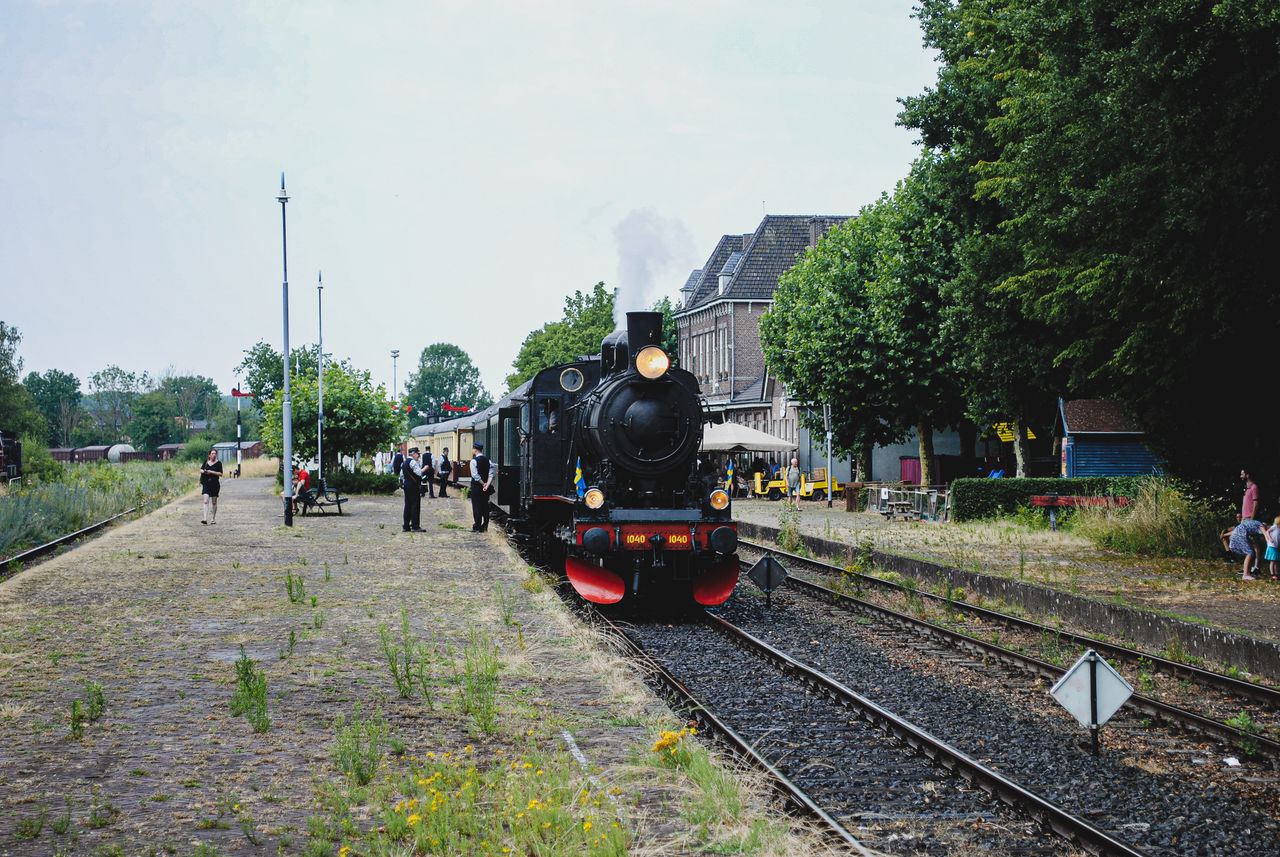
A heritage steam locomotive pulls into a small-town station — the same rail corridors that carried New Jersey workers to and from factories during and after World War I. (Photo: Bijsmans Fotografie / Pexels)
What Made the Rail Corridor So Appealing?
The Pennsylvania Railroad and the Erie ran frequent service through central and northern New Jersey, making it practical to live twenty or thirty miles from a factory and still arrive on time for an early shift. Towns along the Raritan Valley line, the Morris and Essex corridor, and routes through Mercer County all saw new residents arrive during the war years. For families settling into communities like Princeton, professional moving services such as Princeton Moving reflect a demand that traces a direct line back to those early migration patterns, when relocating to a rail-served New Jersey town was a practical decision shaped by wartime necessity.
The appeal was straightforward: land was cheaper away from the city centers, and the trains were reliable. A worker at a Rahway chemical plant could live in Bound Brook. A munitions inspector in Kearny could rent a house in Montclair. The commute was the trade-off, and most families accepted it.
How Did the War Reshape New Jersey’s Commuter State Population?
The war’s demographic impact on New Jersey was immediate and lasting. When considering how WWI sparked population shifts in the United States, you’ll learn that the demand for housing spiked as workers arrived and suburban growth began accelerating — a process that would run through the entire twentieth century.
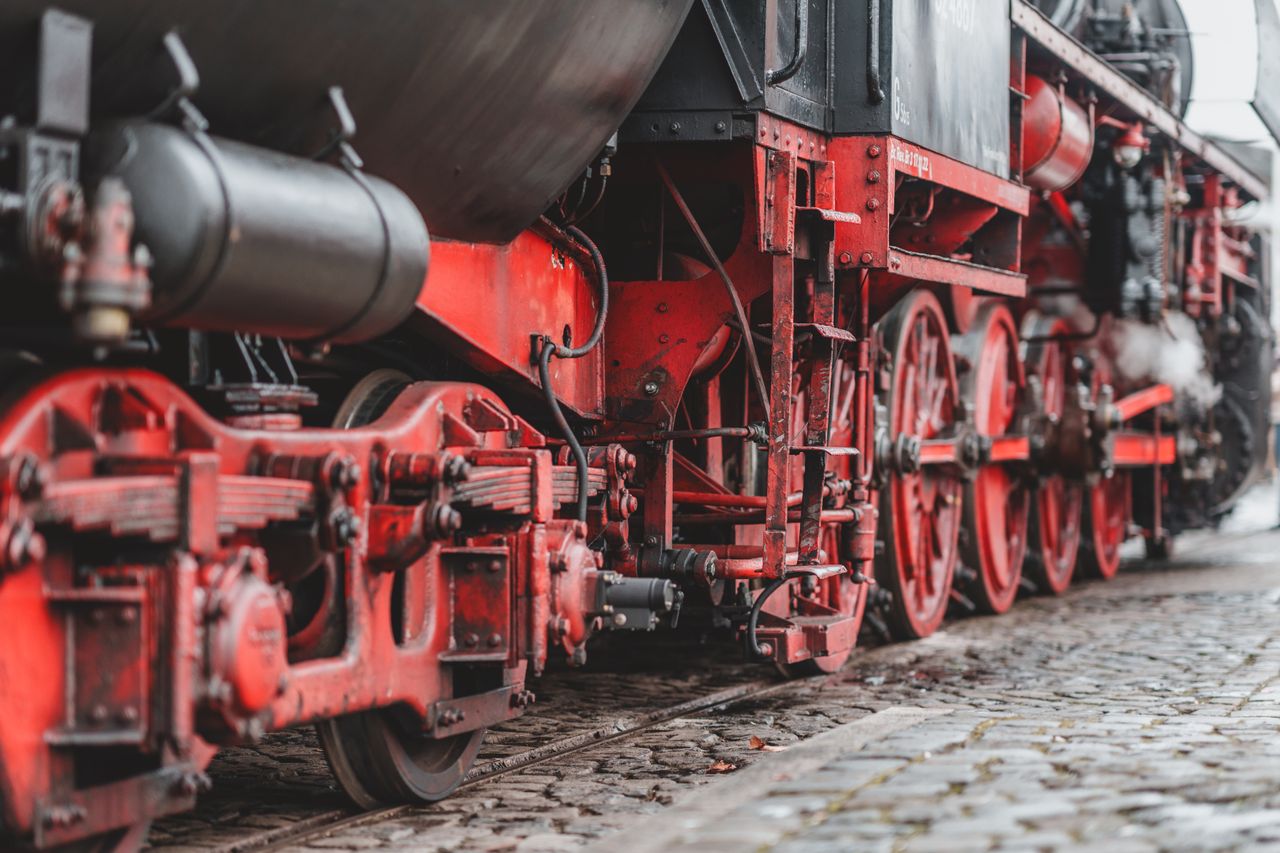
The drive wheels of a preserved steam locomotive — the same mechanical force that kept New Jersey’s wartime rail lines running through every shift change. (Photo: Masood Aslami / Pexels)
African American workers from the South were among those drawn north by wartime factory openings, reshaping the demographic makeup of cities like Newark, Trenton, and Camden. Immigrant communities that had settled in urban neighborhoods began moving outward as their wages improved. Each group followed the rail lines toward affordability and stability.
The state’s population grew by roughly 600,000 people between 1910 and 1920 — from about 2.5 million to just over 3.1 million. Much of that growth concentrated in counties with factory clusters and good rail access, precisely the counties that would become the commuter backbone of the state in the decades ahead.
What Did Returning Veterans Do When the War Ended?
When the Armistice arrived in November 1918, over 140,000 New Jersey residents had served in the armed forces. About 3,400 did not return. Those who did come home found a state that had changed around them — more industrial, more urban in places, and more connected by rail than it had been four years earlier.
Many veterans chose not to return to the farms or crowded city blocks they had left. When you look at a short history of New Jersey, you can see the wartime experience had helped define a new geography for the state, one where suburban communities tied to rail corridors became the preferred landing spot for families starting over in the 1920s.
Housing construction in towns like Westfield, Summit, Cranford, and Metuchen picked up sharply in the early 1920s, driven partly by veterans using their earnings and partly by the broader economic surge that followed the war. The commuter suburb — a town with a station, a main street, and a train schedule that connected residents to jobs in Newark or New York — became the defining New Jersey community type.
How Did Wartime Work Habits Shape the Commuter Routine?
The wartime factory experience did something less obvious than simply moving people around the map — it normalized the idea of leaving home each morning to work somewhere else. As documented in WWI homefront efforts, American industrial production during WWI essentially doubled in scale, and the workers who drove that expansion were commuters in the modern sense long before the word became common.
Shift schedules at munitions plants and shipyards required precise arrival times. Workers learned to organize their mornings around train departures, not sunrise. They packed lunches, bought season tickets, and developed the rhythms that would define commuter culture for the next fifty years. When the factories slowed after the Armistice, those habits did not disappear.
The five-day office week that spread through American business in the 1920s built directly on the industrial discipline the war years had instilled. New Jersey, with its dense rail network and its geographic position between New York and Philadelphia, was better placed than almost any other state to absorb that shift.
A State Shaped by the Trains It Learned to Catch
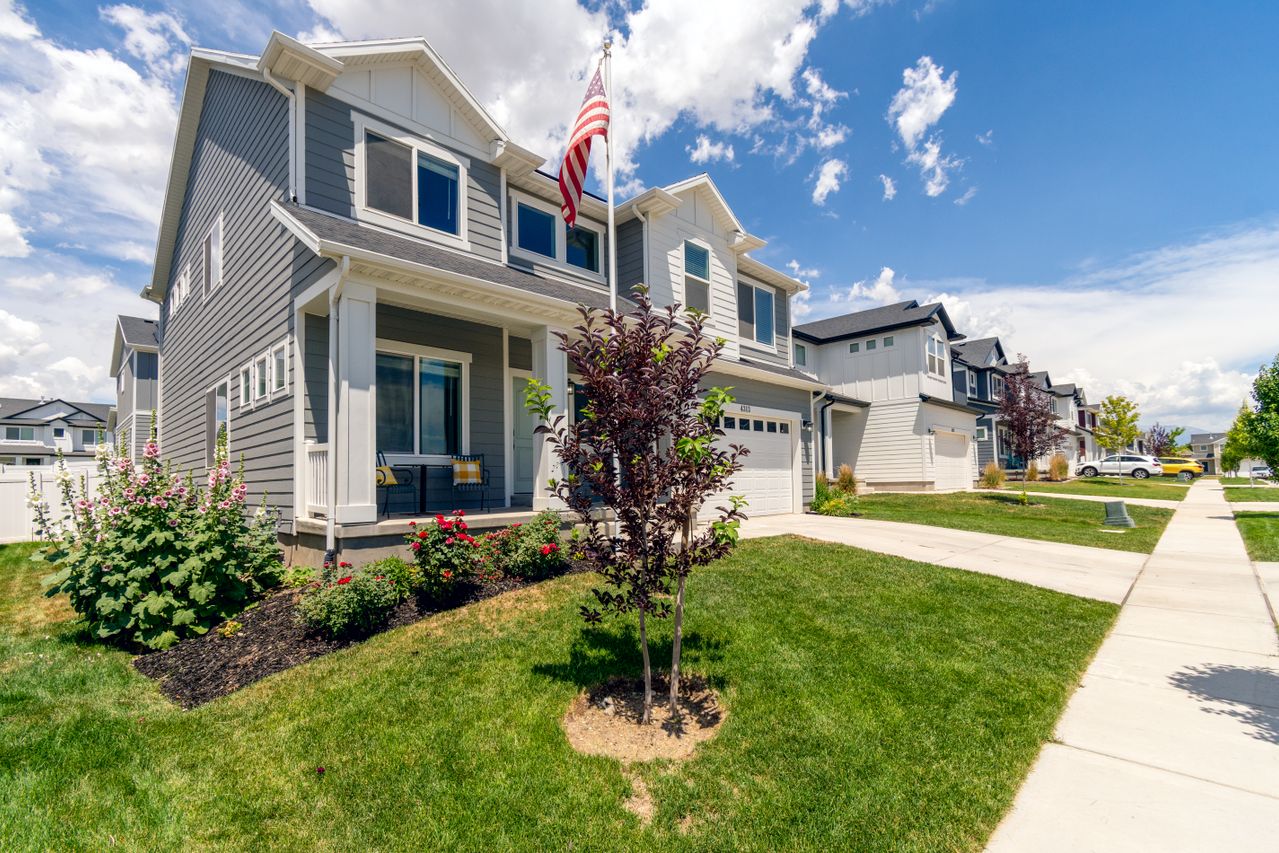
The American commuter suburb — tidy streets, family homes, and a flag out front — is the landscape that New Jersey’s wartime rail migration ultimately produced. (Photo: Michael Gault / Pexels)
World War I did not invent the New Jersey commuter state, but it built the foundations that made it inevitable. The factories demanded workers. Workers needed homes near rail lines. Communities grew up around those stations, and the patterns hardened into identity. Today, the commuter state is simply what New Jersey is — but it became that through decisions made under pressure, between 1917 and 1919, by people who needed somewhere affordable to live and a reliable way to get to work. If you are planning a move to one of the towns along those historic rail corridors, the same calculation still applies: location, connection, and the quality of the move itself all matter.
 Margaret Donnelly is a freelance writer covering American history and the lasting social effects of major historical events. Her writing connects archival history to the places and routines of everyday modern life. She contributes regularly to publications focused on twentieth-century history.
External Web Site Notice: This page contains information directly presented from an external source. The terms and conditions of this page may not be the same as those of this website. Click here to read the full disclaimer notice for external web sites. Thank you.