Capital Controls: The Evolution of Outbound Investment Security Strategy
Published: 14 April 2026
By Brad Dragoon
via the Irregular Warfare Initiative website
Capital Controls
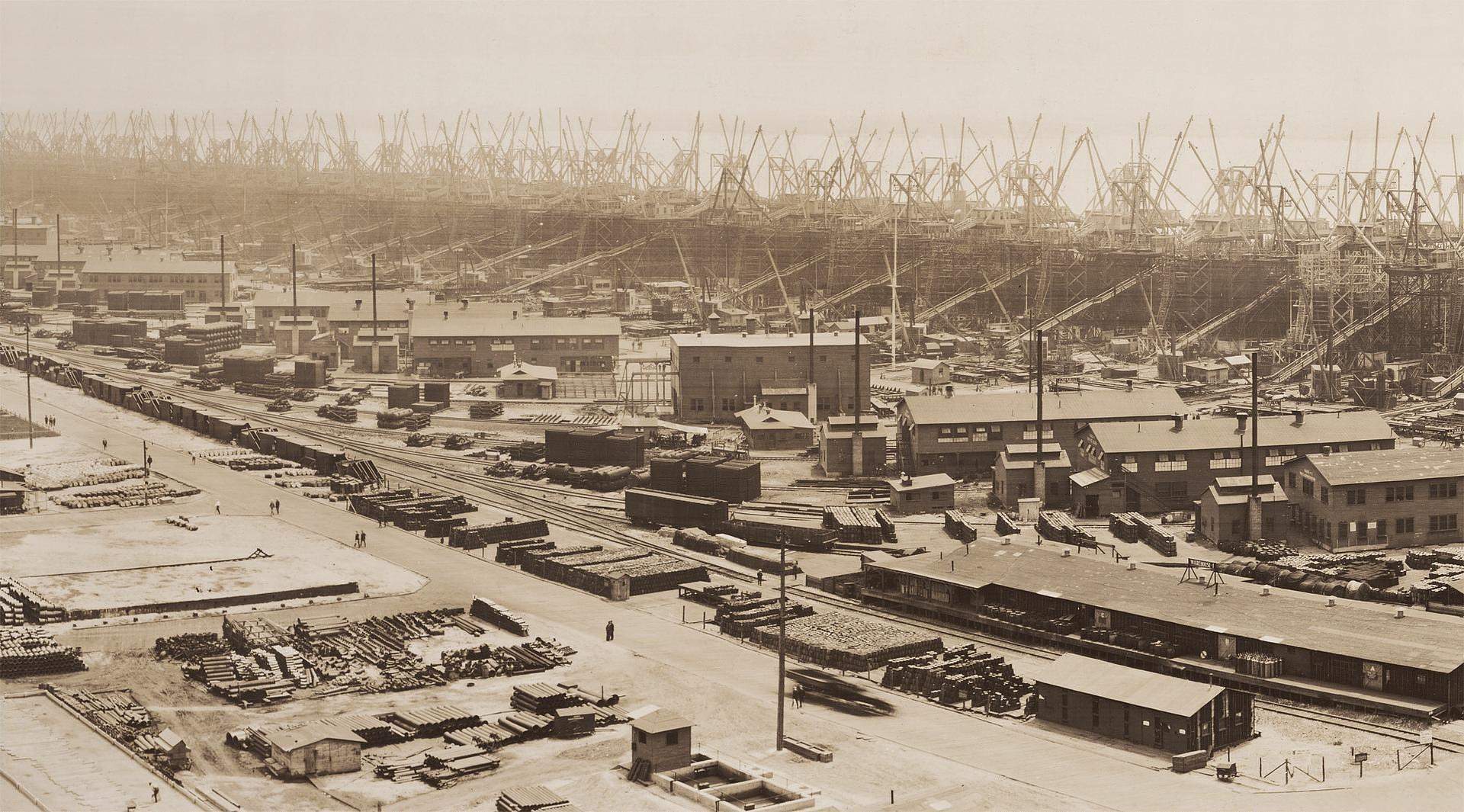
U.S. history in restricting outbound investment began during World War I
The United States sits in the middle of an interconnected global financial system, and American investors form a significant segment within the bedrock of global economy. The country’s share of outbound investment is quite staggering, with U.S. multinational enterprises holding a cumulative investment position of more than $6.8 trillion as of the end of 2024. This financial position provides the U.S. with an outsized influence on the global economy – an influence that can be leveraged to pursue strategic goals and address perceived threats. For more than a century, the U.S. has restricted private foreign investment and used outbound controls as a key tool of economic statecraft with varied success to limit the capabilities and strategic options of adversaries.
Historical attempts to restrict outbound investment have blocked adversaries from accessing U.S. capital, but also limited loans to wartime allies, exacerbated global financial instability, and forged closer partnerships among rivals. As the U.S. progresses through a new era of global competition and conflict, the effective use of economic levers such as outbound controls will be critical in maintaining the current global order.
OISP and the COINS Act
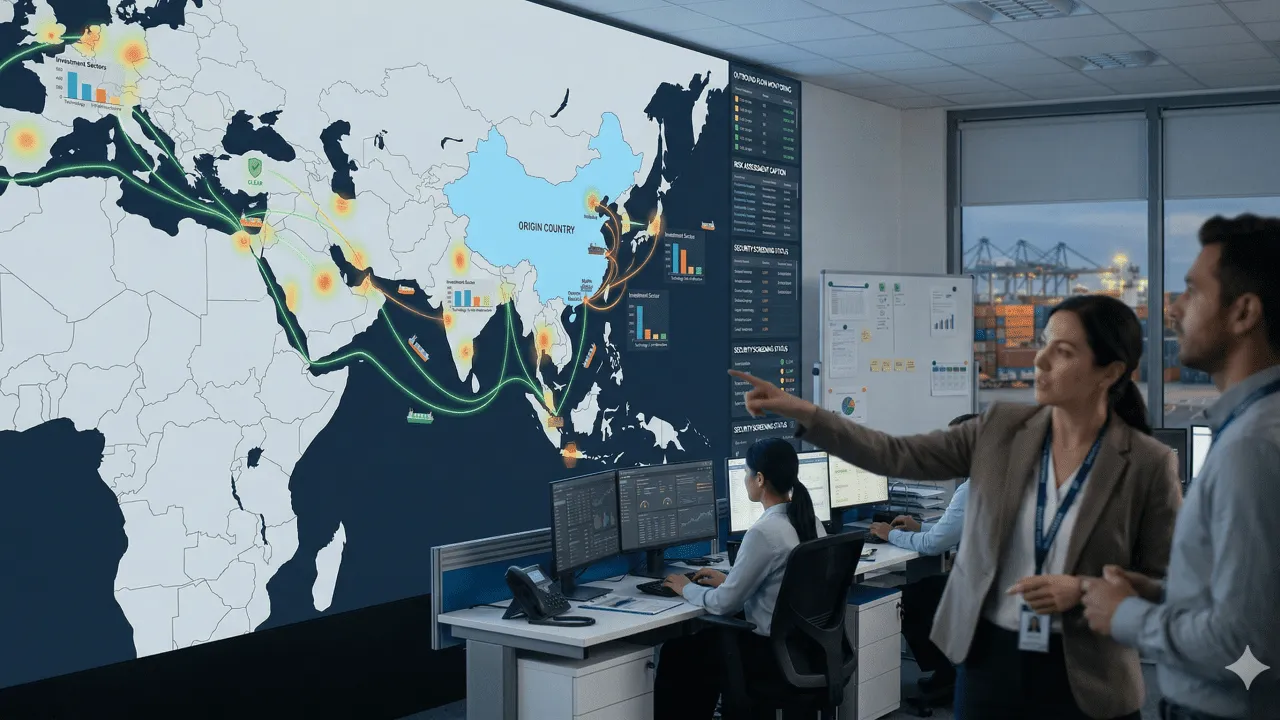
The latest strategy introduced to control investment outflows is the establishment of the Outbound Investment Security Program (OISP). OISP took effect in January 2025 following the signing of Executive Order 14105 (Outbound Order), and is being further codified into law in the Comprehensive Outbound Investment National Security Act of 2025 (COINS Act), part of the 2026 National Defense Authorization Act.
E.O. 14105 and the COINS Act were issued in response to the national security threat posed by the technologic advancement of key adversaries and seeks to restrict U.S. outbound investment in certain sensitive technologies in designated “Countries of Concern.” Initially, the Outbound Order only listed China and its administrative territories of Hong Kong and Macao as “Countries of Concern.” This list has since expanded to include Cuba, Iran, North Korea, Russia and Venezuela.
OISP is intended, in part, to function as an inverse tool to the Committee on Foreign Investment in the United States (CFIUS). Where CFIUS is designed to protect domestic markets from adversarial investment by vetting incoming capital, OISP attempts to restrict outbound domestic capital by requiring U.S. persons to submit a notification if they, or an entity they control, engages in a “covered national security transaction.” Currently this is a broad definition that covers an array of financial transactions, including equity and asset acquisitions, debt arrangements, joint ventures, and investments in limited partnerships. Additionally, the COINS Act lists five categories of sensitive technologies where investments would be subject to notification and potential prohibition: Semiconductors and microelectronics; quantum information technologies; artificial intelligence, high-performance computing and supercomputing; and hypersonic systems.
The current OISP framework attempts to strike a delicate balance between fostering the development of technologies that will be critical to the global economy and ensuring that these technologies are protected from potential dual-use through military or intelligence-gathering applications by states currently or potentially hostile to the interests of the U.S. and its allies. These contrasting priorities are being addressed in part by investment-focused programs, such as the Department of War’s Office of Strategic Capital (OSC) and NATO’s Defense Innovation Accelerator for the North Atlantic (DIANA) and Innovation Fund. These programs support investment in strategic technologies with dual-use applications, while also ensuring that these advancements remain the trade-secrets of defense institutions within the U.S. and the North Atlantic alliance.
Outbound restrictions may be less commonly employed than targeted sanctions or oversight over domestic investment. Nevertheless, restrictions on outbound flows of capital have a long history in U.S.’s geoeconomic toolkit and demonstrate a sign of the times for foreign policy concerns.
Initial Attempts to Restrict Outbound Capital
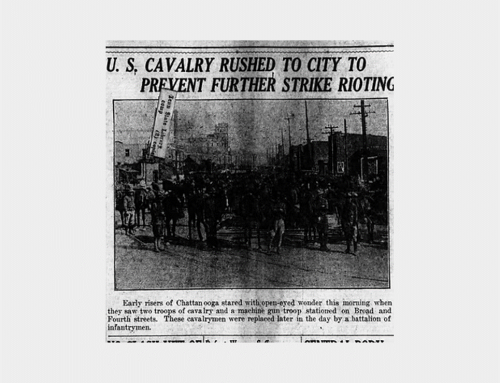
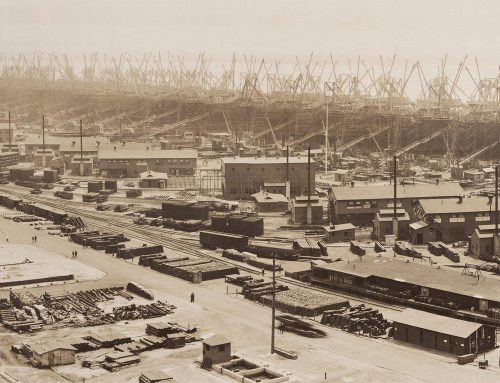
While economic sanctions have been used to project power since at least the Peloponnesian War (See: Megarian Decree), the U.S. can trace its history in restricting outbound investment to the First World War. Six months after the U.S. declared war on Germany, Congress passed the Trading with the Enemy Act of 1917 (TWEA). In terms of restricting outbound capital flows, the TWEA “gave the President the power to regulate or prohibit transactions in foreign exchange and currency, and transfers of credit or property with any foreign country or the resident of any foreign country during war.”
Read the entire article on the Irregular Warfere Initiative website here:
External Web Site Notice: This page contains information directly presented from an external source. The terms and conditions of this page may not be the same as those of this website. Click here to read the full disclaimer notice for external web sites. Thank you.