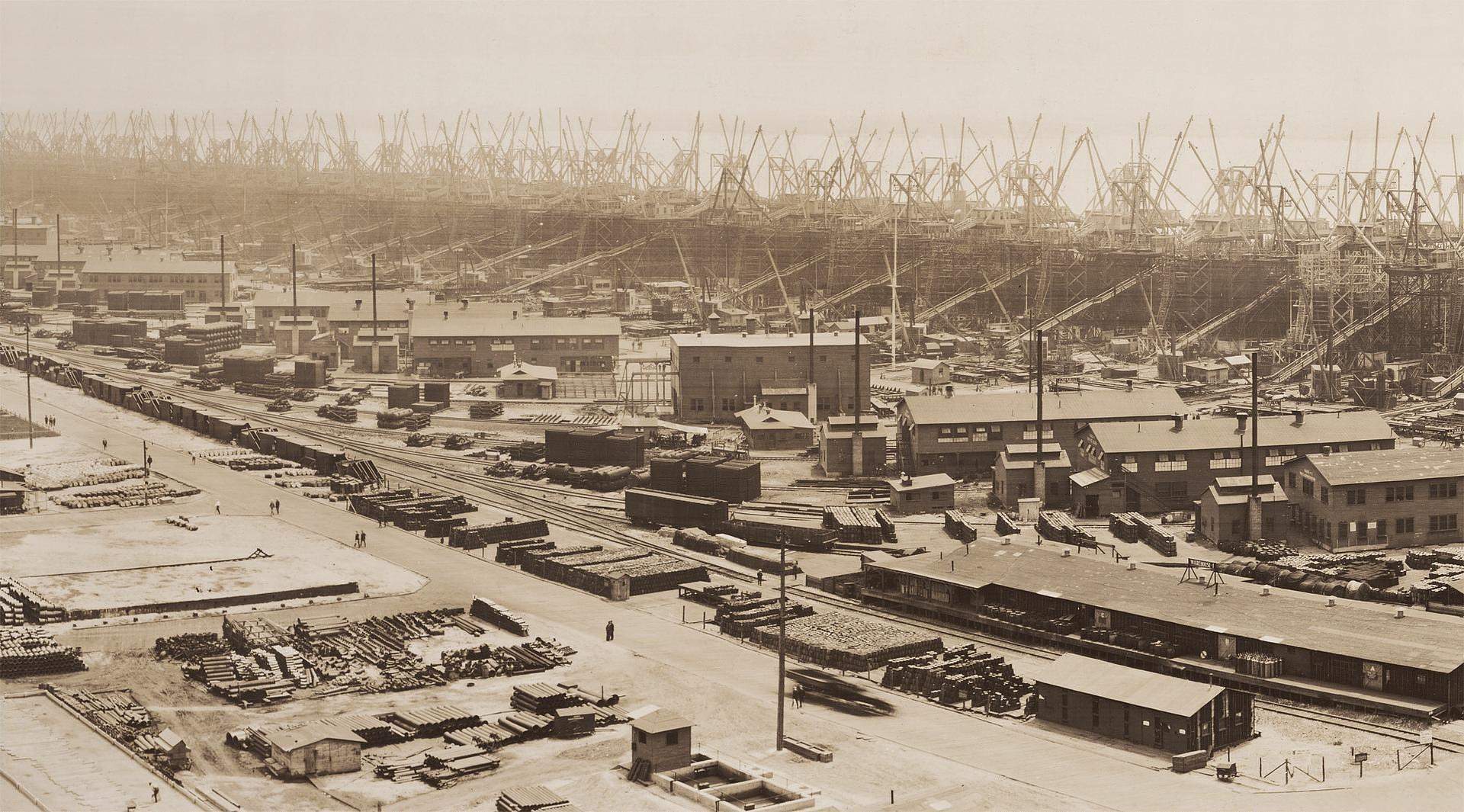
Breaking the Hindenburg Line
Published: 25 May 2026
By Don Brown
via the American Thinker website
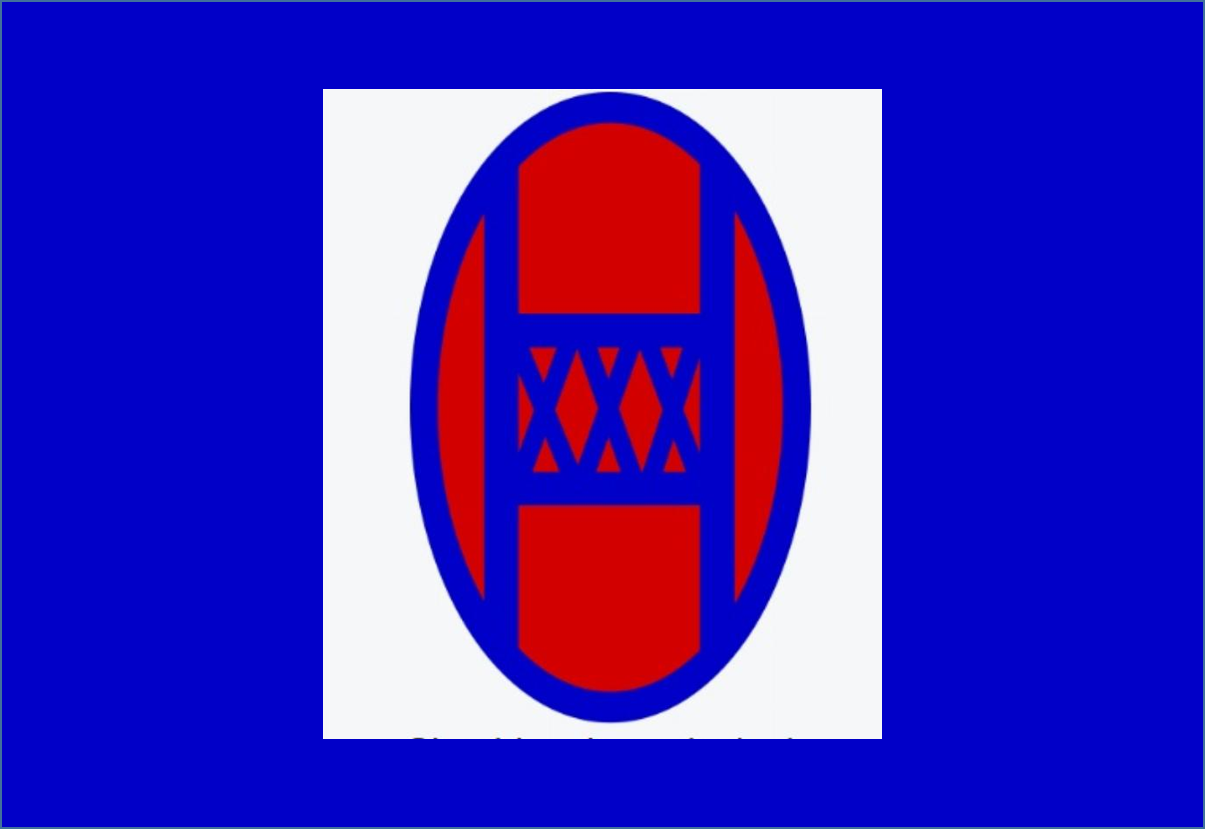
Logo of the “Old Hickory” Division -- the 30th Infantry Division of World War I
The “Old Hickory” Division led the breakout against Imperial German forces in 1918 — at high personal cost.
“Time will not diminish the glory of their deeds.”
General John J. “Black Jack” Pershing, commander of the American Expeditionary Force during World War I, spoke those words about America’s doughboys of the Great War. They ring as true today as they did a century ago. Yet while time has not diminished their glory, it has, tragically, diminished the memory of who they were — these American soldiers of the “Great War” — and what they sacrificed.
I have written 16 books, 15 of them on the U.S. military. Three focus on World War II — Destiny, Old Breed General, and Last Fighter Pilot, which became a national bestseller on the Publishers Weekly list. Shortly after that success, I pitched a biography of Charles Denver Barger, one of the great American heroes of World War I. Every publisher who reviewed the proposal loved the story. They passed anyway. “WWII books still sell,” they told me. “WW1 books don’t.”
That is not just a publishing decision. It is a national shame. As our national attention has focused elsewhere, time has diminished the memory of their deeds.
This Memorial Day, one WWI division that sacrificed extraordinarily was the famed “Old Hickory” Division — the 30th Infantry Division of World War I — comprised of Tar Heels from North Carolina, Sandlappers from South Carolina, and Tennesseans from the Volunteer State, along with volunteers and draftees from across the country.
Nicknamed for President Andrew Jackson, whose roots ran deep in all three states, the division formed in 1917 at Camp Sevier, South Carolina. North Carolina’s 2nd and 3rd Infantry became the 119th and 120th Infantry Regiments — the heart of the Tar Heel Brigade. South Carolina’s 118th Infantry represented the Sandlappers. Tennessee’s 117th Infantry brought the Volunteers. These were our boys — farmers, mill workers, teachers, and clerks who left the fields and factories of the Carolinas and Tennessee when America called.
They trained hard under the sweltering Carolina sun, then shipped overseas and were attached to the British Army. Their first taste of combat came in the Ypres-Lys sector in Belgium in early September 1918. On September 1-2, the Tar Heel regiments advanced under British artillery, capturing Lock No. 8 on the Ypres Canal, Lankhof Farm, and the village of Voormezeele. They inflicted heavy German casualties while suffering 37 dead and 128 wounded — a grim preview of what lay ahead.
Then came the moment that would define them forever. On September 29, 1918, as part of the British Fourth Army’s assault in the Somme Offensive, the Old Hickory Division attacked the vaunted Hindenburg Line near Bellicourt and Nauroy. This line marked the strongest German defensive network on the Western Front — rows of thick barbed wire hundreds of yards deep in places, concrete machine-gun nests, deep trenches, and the St. Quentin Canal tunnel system. At 5:50 a.m., under a British barrage and supported by tanks, the 119th and 120th Infantry went “over the top.” Dense fog and smoke reduced visibility to yards. Officers lost control of their units. The attack became a test of individual courage as Tar Heels fought through the wire and trenches in close combat.
By 7:30 a.m., the North Carolinians had smashed through the main line. The 120th Infantry captured Bellicourt after brutal fighting. By midday, they had taken Nauroy. The Old Hickory Division was credited as one of the first American units to breach the supposedly impregnable Hindenburg Line. Their breakthrough helped crack the German Army’s back in the final weeks of the war. Captured German officers threw up their hands in despair: “It is over; there is nothing between you and the Rhine.”
The cost in human life was staggering. The Hindenburg Line casualties on 29 September 1918 hit North Carolina especially hard (241 Tar Heels killed in a single day — the state’s bloodiest day of the entire war).
Read the entire article on the American Thinker website here:
External Web Site Notice: This page contains information directly presented from an external source. The terms and conditions of this page may not be the same as those of this website. Click here to read the full disclaimer notice for external web sites. Thank you.