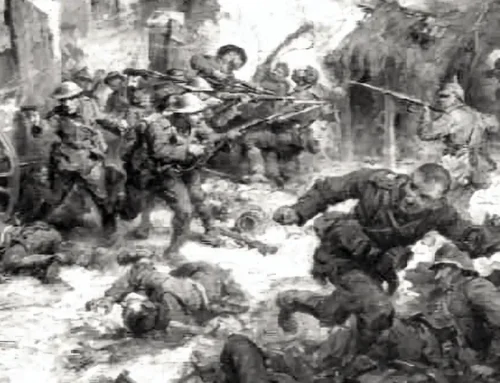
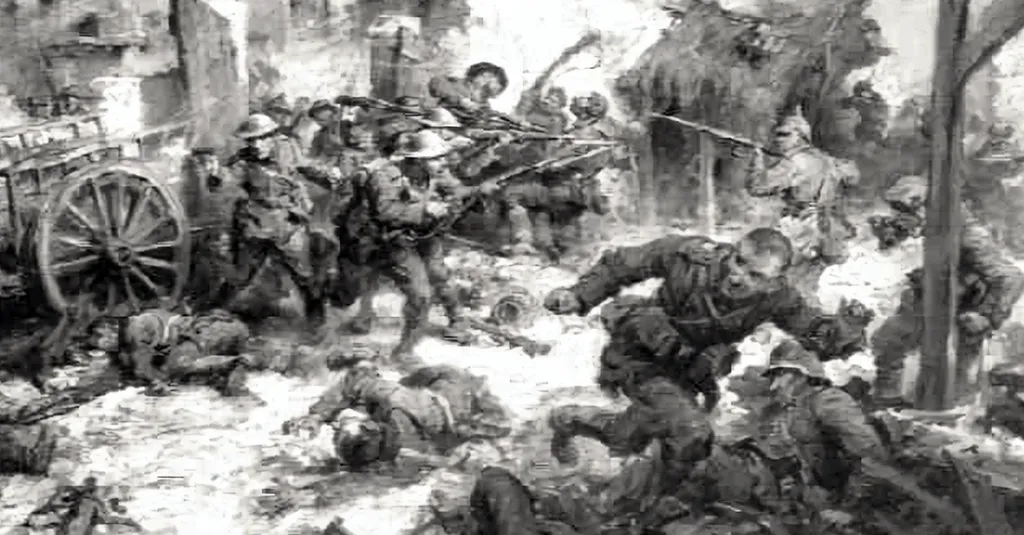
Bogart’s WWI service in U.S. Navy formed him in ways that the privileged domesticity of his upbringing never could have
Published: 15 June 2026
via the CountryReports.org website
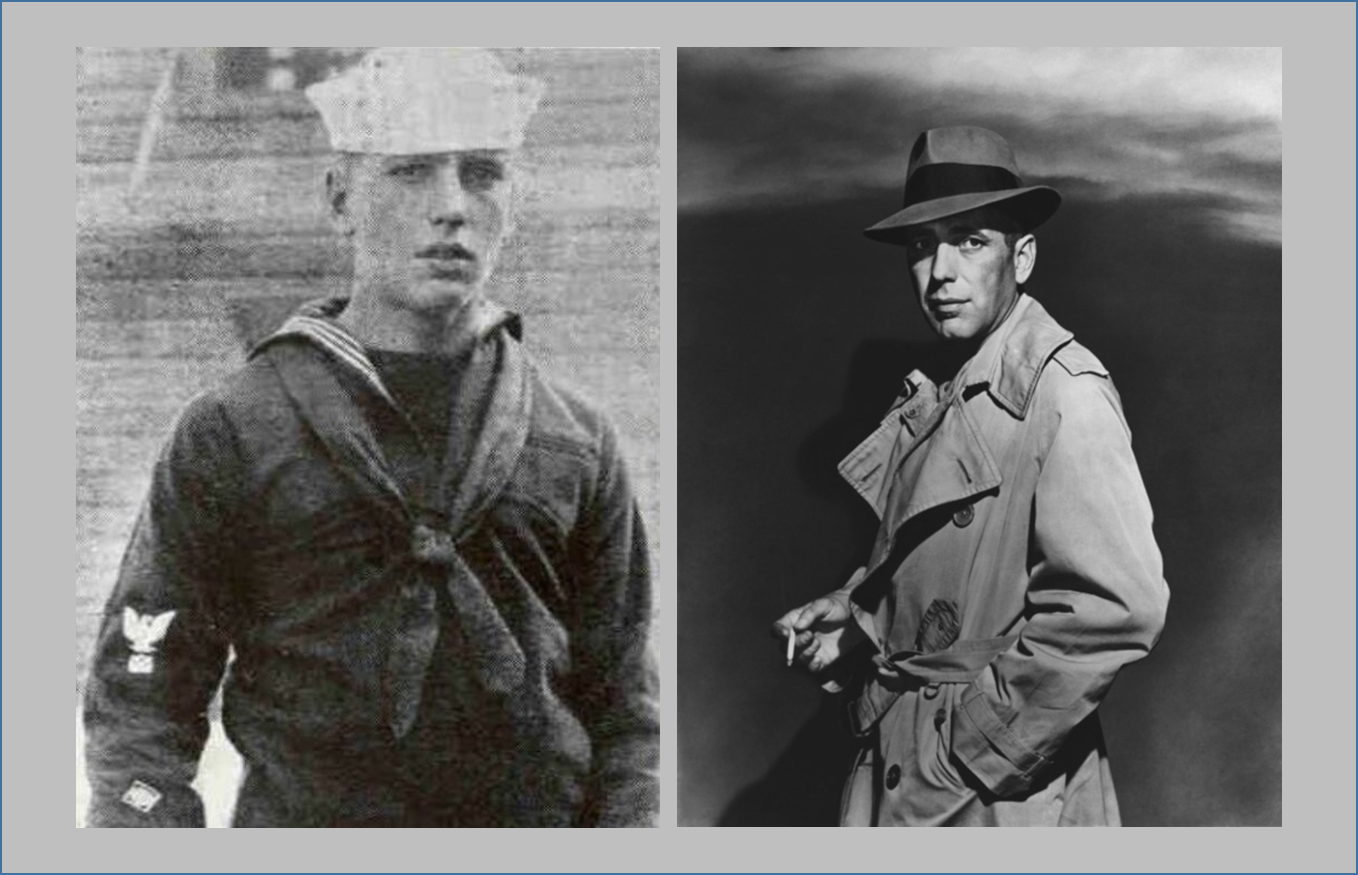
Bogart photos framed
(left) Young Humphrey Bogart in his sailors uniform during his service in World War I. (Photo: the-rear-view-mirror.com "Humphrey Bogart, The Man, The Legend, The Falcon."); (right) Humphrey Bogart in his portrayal of Rick Blaine in the film "Casablanca," wearing his iconic trench coat and Fedora.
Humphrey Bogart: The Greatest Male Star of Classic Hollywood Cinema
Introduction
Humphrey DeForest Bogart, born on December 25, 1899, in New York City, New York, stands as one of the most enduring, iconic, and beloved figures in the history of motion pictures. Ranked by the American Film Institute in 1999 as the single greatest male screen legend of Classic Hollywood Cinema, Bogart forged a screen persona unlike any that had come before him: tough yet tender, cynical yet principled, world-weary yet capable of deep feeling. In a career spanning nearly four decades, from early Broadway comedies in the 1920s to searing dramatic performances in the 1950s, he transformed from a forgotten stage juvenile into an irreplaceable cultural symbol of American masculinity, moral ambiguity, and romantic complexity.
His voice, low and slightly raspy with a peculiar sibilance caused by a distinctive upper-lip scar, became one of the most recognizable sounds in entertainment history. His manner, hunched and watchful, economical in movement yet electric in intensity, projected a unique combination of threat and warmth. His eyes, alternately cold and compassionate, could convey entire paragraphs of emotion with a single glance. These physical attributes were merely the outward expression of a deeper artistic intelligence: Bogart understood, instinctively and through long apprenticeship, exactly how much or how little to give the camera in any given moment.
The films that bear his name constitute a kind of shorthand for mid-twentieth century American cinematic achievement. Casablanca, The Maltese Falcon, The African Queen, The Big Sleep, The Treasure of the Sierra Madre, High Sierra, In a Lonely Place, The Caine Mutiny, Sabrina, The Petrified Forest, Dark Passage, Key Largo, Beat the Devil, The Desperate Hours, The Barefoot Contessa — each of these titles represents not merely a successful film but a cultural touchstone, a work that shaped how people thought about crime, love, honor, loyalty, and the price of survival in a chaotic world. Bogart inhabited these films so completely that it is nearly impossible to imagine them with any other actor in his roles.
Yet the Bogart who achieved this legendary status was not the product of overnight success or natural ease. He spent the better part of two decades struggling, relegated to villain parts and gangster B-pictures, dismissed by critics, overlooked by studio executives, and typecast in roles that seemed to offer no path to the front rank of Hollywood stardom. His ascent was hard-won, achieved through persistence, luck, a crucial act of loyalty from a friend, and a series of performances that gradually revealed the full depth of his talent. By the time the industry and the public fully recognized what they had in Humphrey Bogart, he had already lost the time a younger man might have spent at his peak. He compensated by making that peak one of the most spectacular in the history of the art form.
His private life was as dramatic as any of his screen roles. Four marriages, the last and most famous to the actress Lauren Bacall, who was twenty-five years his junior, gave him both his greatest happiness and the backdrop for one of Hollywood’s most celebrated romantic partnerships. His battles with alcohol, his volatile temperament, his conflicts with studio bosses, his courageous if ultimately unsuccessful stand against the anti-Communist hysteria of the late 1940s, his founding of Santana Productions as an independent vehicle for his artistic ambitions — all these elements contributed to a life of genuine texture and complexity. When esophageal cancer claimed him on January 14, 1957, at the age of fifty-seven, the world mourned not just an actor but a singular human presence, one that the screen had captured and preserved for all time.
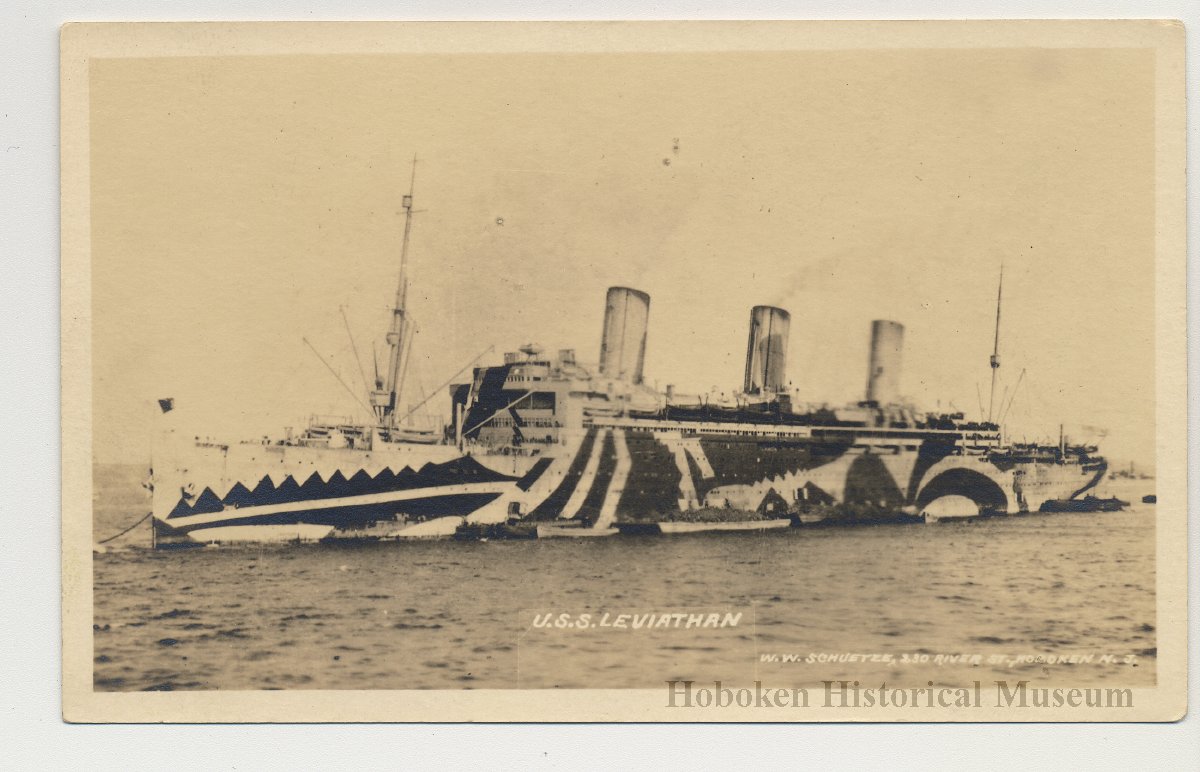
The ship Humphrey Bogart Served on in World War I, the USS Leviathan. (Photo: Hoboken Historical Museum Online Collections Database.)
This biography traces the full arc of that life: the privileged but emotionally chilly New York childhood, the naval service in World War One, the long years of theatrical apprenticeship in New York, the slow and painful climb through the studio system, the creation of a production company that gave him artistic independence, and the ultimate achievement of a greatness that transcended the commercial machinery that produced it. It examines the specific films that made him immortal, the directors and co-stars who brought out his best work, the personal relationships that shaped his character, and the cultural legacy that has only grown stronger in the decades since his death. It is the story of how a troubled, complicated, supremely gifted man found in the art of acting a means of expressing everything that ordinary life could not contain, and in doing so created an image that has become part of the permanent furniture of the human imagination.
Read the entire article on the CountryReports website.
External Web Site Notice: This page contains information directly presented from an external source. The terms and conditions of this page may not be the same as those of this website. Click here to read the full disclaimer notice for external web sites. Thank you.