Interwar echoes and the risk of great power war
Published: 18 October 2026
By Hall Gardner
via the Meer.com website
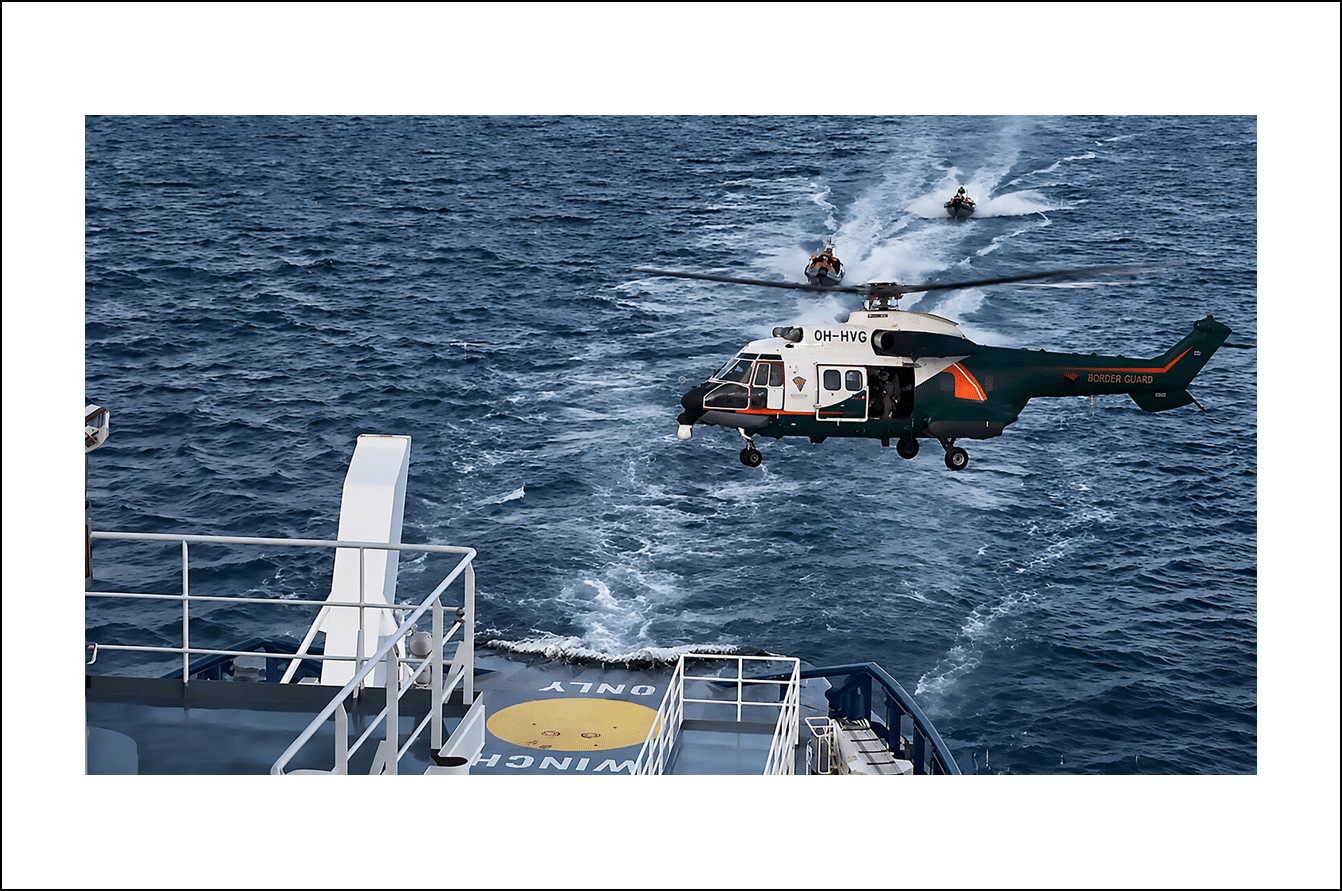
Meer header image
A vital land link between the Baltic states and the rest of NATO, the Suwałki Gap is central to Polish and Lithuanian preparations for evacuation in the event of a Russian attack.
Historical parallels with the geopolitical rivalries before WWI, Russia and NATO tensions, and the urgency of diplomacy
Today’s global geopolitical crisis can be systemically contrasted with the “twenty years crisis” before World War II.
Parallels to the interwar period are best shown in the fact that Soviet implosion and Warsaw Pact disaggregation, plus the dismemberment of former Yugoslavia, have created an Eastern European shatterbelt region of potentially conflicting states and irredentist socio-political movements.
This shatterbelt region and the conflicts that followed its formation can be contrasted with the geopolitical rivalries before WWI over the Eastern European shatterbelt region that resulted from the combined collapse of Imperial Germany, the Austro-Hungarian Empire, and Tsarist Russia—as well as the collapse of the Ottoman Empire.
Key differences lie in the fact that unlike the interwar period, when both Britain after World War I and the rising US were largely isolationist and reluctant to engage in European diplomacy and security accords, the US still sustains global military predominance and political-economic hegemony in the post-Cold War era, more like late 19th-century Britain before World War I than the more isolationist Britain before World War II. Nevertheless, as it has been increasingly challenged by Beijing, Washington has begun to oscillate between neo-conservative military interventionism (as was the case for pre-World War I “jingoist” Britain) and plutocratic isolationism (as was the case for interwar Britain).
In the contemporary geopolitical alliance constellation, the US now plays a role somewhat similar to interwar Britain as the predominant global insular power—even if the US has appeared more willing to engage in military intervention than did Britain after World War I. The EU, in flanking Russia to the west, plays the role of interwar France that had flanked Weimar/Nazi Germany to the west. Contemporary China, in flanking Russia to the east, plays the pivotal role of Soviet Russia that had flanked Weimar/Nazi Germany to the east.
While contemporary Japan does not at all play a role similar to interwar imperial Japan, the rise of Japanese military power capabilities, backed by the US, nevertheless raises fears of both contemporary Russia and China. Moscow and Beijing have accordingly tightened relations, step by step, forging a “no limits” strategic partnership in the period June 1989 to February 2022 against US neo-containment policies. By backing Beijing’s claims to Taiwan, Moscow hopes to prevent the US from playing the “China Card” once again as it did in the 1970s and 1980s.
Moreover, US alliances with an expanding NATO and EU, as well as with Japan, Australia, South Korea, Israel, Taiwan, and Ukraine, have worked to press Russia, China, Belarus, North Korea, and Iran into closer strategic partnerships and military alliances, in the case of Russia (and China) with North Korea and between Russia and Belarus.
In essence, the largely landlocked post-Cold War Russian Federation (as a collapsed former empire) plays the role of a cross between Weimar Germany and the former Tsarist Russia (as two collapsed empires) and between Nazi Germany and Stalinist Russia (as two revanchist powers). Caught between NATO/German and Russian pincers, contemporary Ukraine has begun to play a role closest to that of interwar Poland—as the key pivotal state in Europe that can shift sides, opt for neutrality, or else be forced into a partition.
An additional parallel is that Soviet implosion has created a “Baltic corridor” to the Kaliningrad exclave that divides Russia, somewhat similar to the interwar “Polish corridor” to the free city of Danzig/Gdansk that divided Germany. It is the latter parallel that now risks major power war in Europe.
⇒ Read the entire article on the Meer website.
External Web Site Notice: This page contains information directly presented from an external source. The terms and conditions of this page may not be the same as those of this website. Click here to read the full disclaimer notice for external web sites. Thank you.