Why World War I History Is Hidden in Plain Sight Across Philadelphia
Published: 8 August 2026
By Sarah Donahue
Special to the Doughboy Foundation website
doughboy.org_free_Why World War I History Is Hidden in Plain Sight Across Philadelphia3
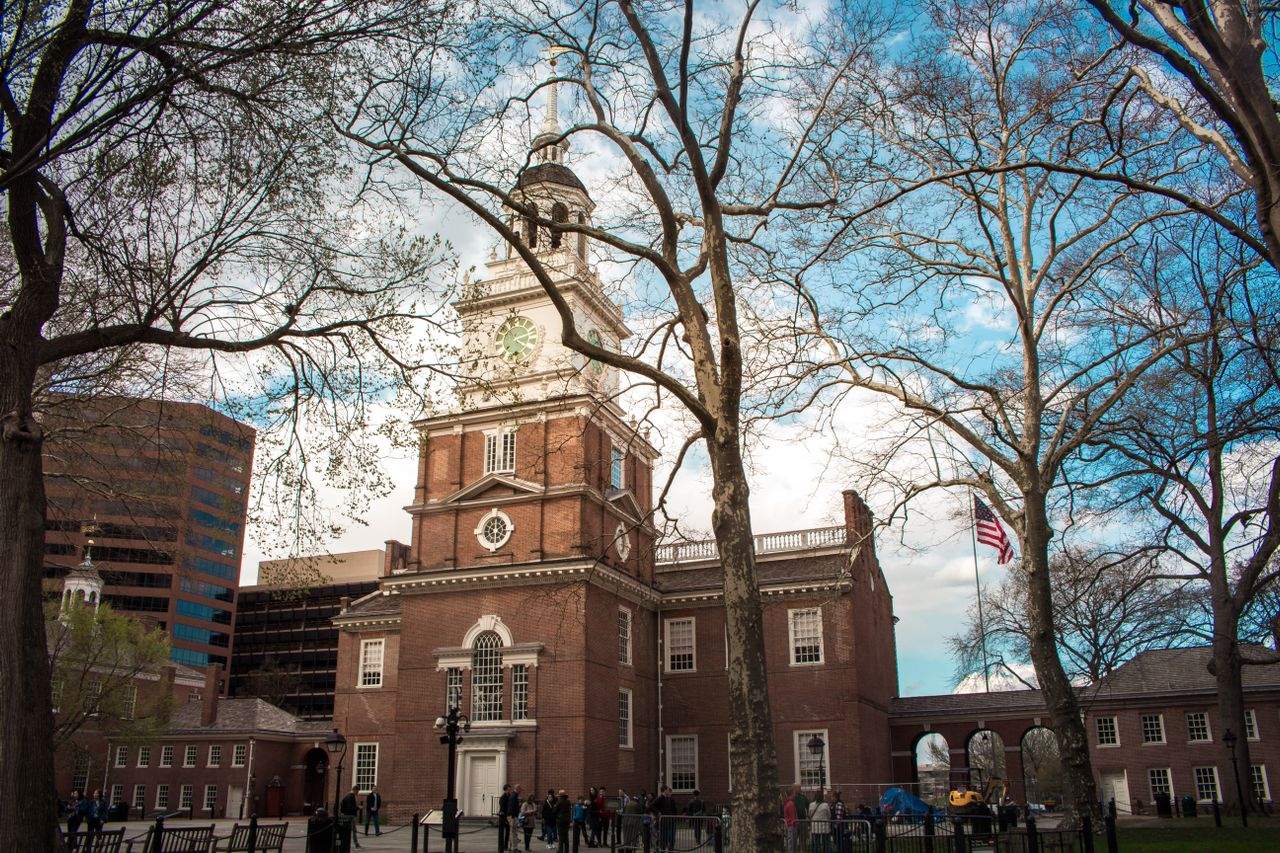
Independence Hall in Philadelphia. (Photo by Lavdrim Mustafi via Pexels.)
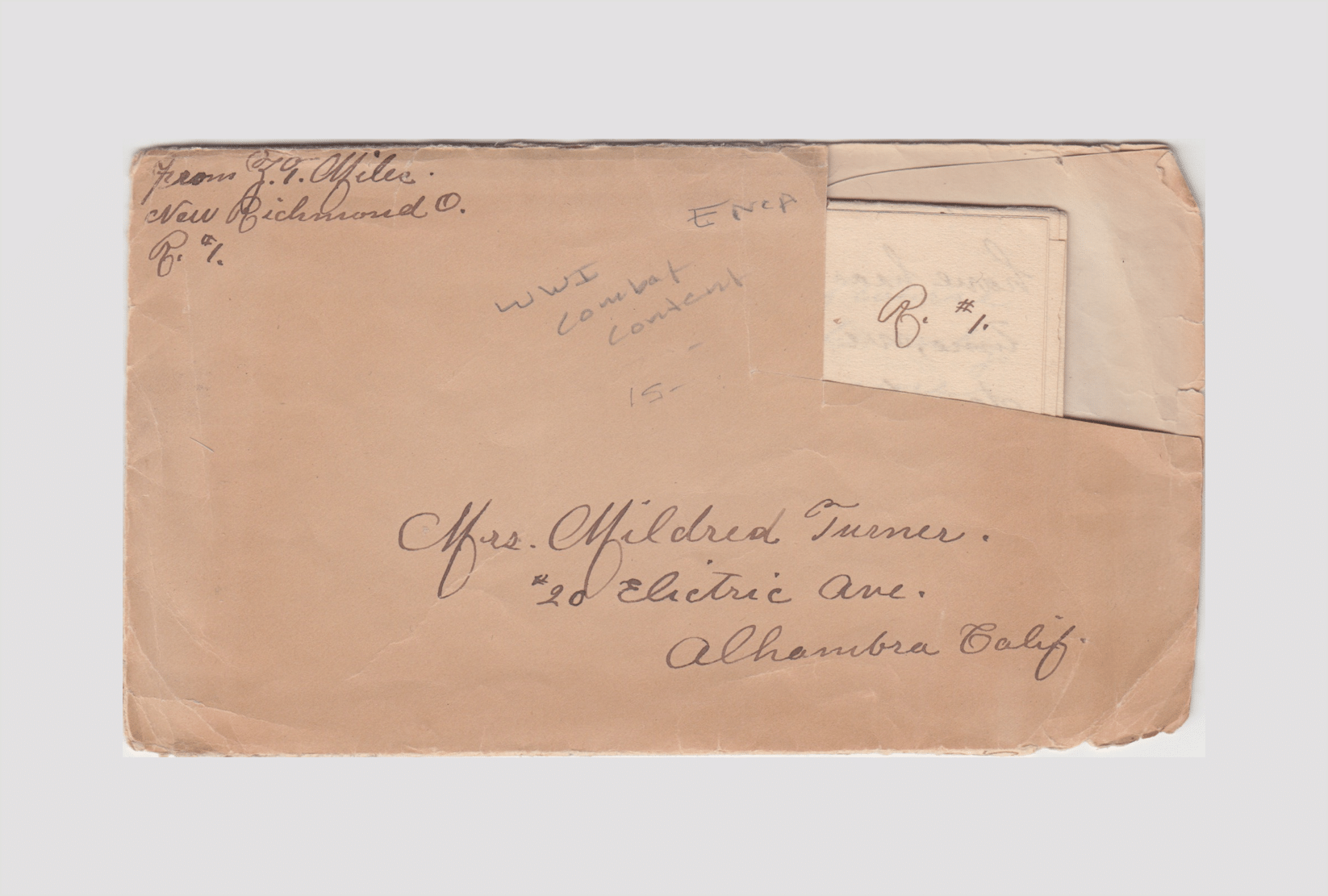
A trunk left behind in a rowhouse attic. A faded ribbon tucked into a family Bible. A bronze plaque half-covered by ivy near a corner store. These are the kinds of things that turn up once someone starts paying attention to a Philadelphia block’s older layers. World War I history in Philadelphia rarely announces itself with a museum wing or a marked trail. It shows up instead in doorframes, cornerstones, and the odd keepsake a grandparent kept for reasons nobody quite remembers. For anyone settling into one of the city’s older neighborhoods, that history sits closer than it looks.
How Far Did the War’s Reach Extend Into Philadelphia?
Philadelphia felt the war long before American troops left for France. The city’s shipyards, textile mills, and armories converted almost overnight into wartime suppliers. They sent boots, blankets, and shells to Allied forces well before the United States formally entered the conflict in 1917. Local firms such as the Baldwin Locomotive Works retooled production lines to build artillery shells. The city’s tanneries supplied a large share of the boots issued to American soldiers overseas.
Even an attack across the river in New Jersey reached Philadelphia directly. The Black Tom explosion on July 30, 1916, shattered windows and rattled residents across the city months before the United States formally entered the war.
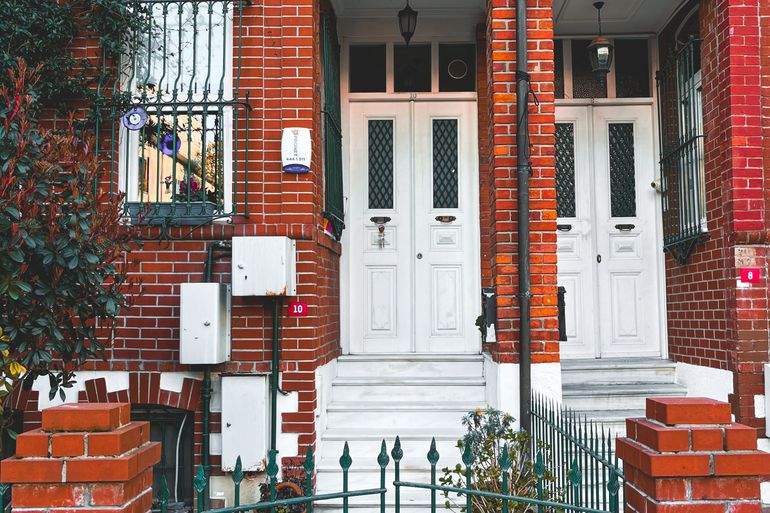
Red brick rowhouse facade. (Photo by Ramazan Ataş via Pexels.)
What WWI-Era Traces Turn Up Inside Philadelphia’s Old Homes?
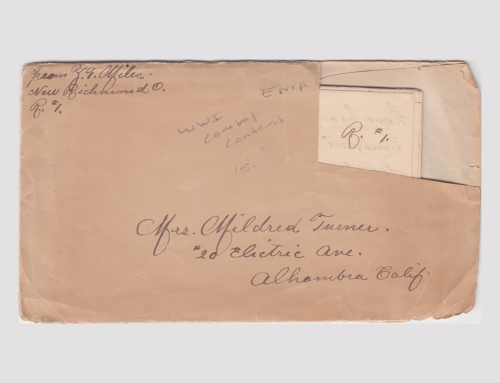
Homeowners in Philadelphia’s historic districts sometimes uncover more than they expect during a renovation. Ration books, enlistment papers, medals, or a soldier’s letters can surface in a drawer nobody had opened in decades. These finds tend to appear in rowhouses built between 1900 and 1920, right when the city’s industrial boom drew families into the neighborhoods that still line its narrow streets today.
A move or renovation can turn up a piece of family history like this without warning. When it does, preserving your collection and new home becomes just as important as protecting the objects themselves. Fragile paper and metal artifacts can be damaged as easily by a rushed move as by a century spent in a damp basement. Treating the building and its contents with equal care keeps that layer of the past intact for whoever lives there next.
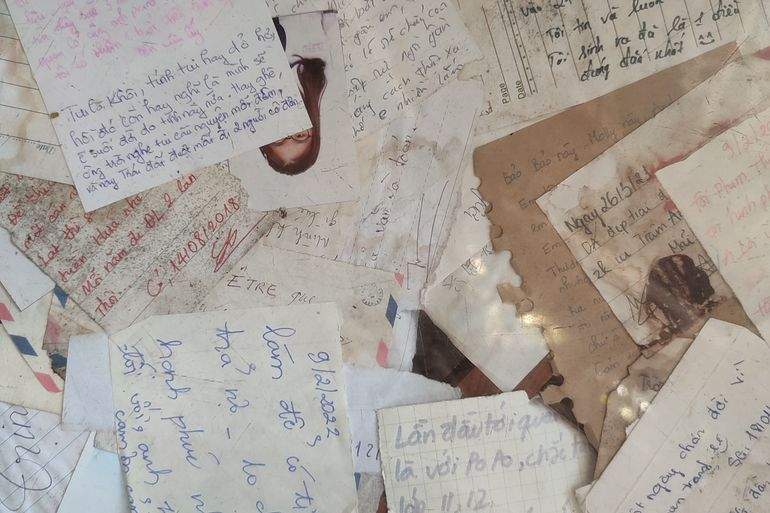
Old letters and notes are among the keepsakes that surface in longtime family homes. (Photo by Bùi Hoàng Long via Pexels.)
Where Do WWI Memorials Still Stand Around the City?
Philadelphia’s WWI memorials tend to hide in ordinary places. Schoolyards, cemetery plots, and church vestibules hold more of them than grand plazas do. Small bronze plaques honoring a single block’s fallen soldiers are easy to walk past without noticing. Many are tucked into building facades or resting quietly beside a doorway.
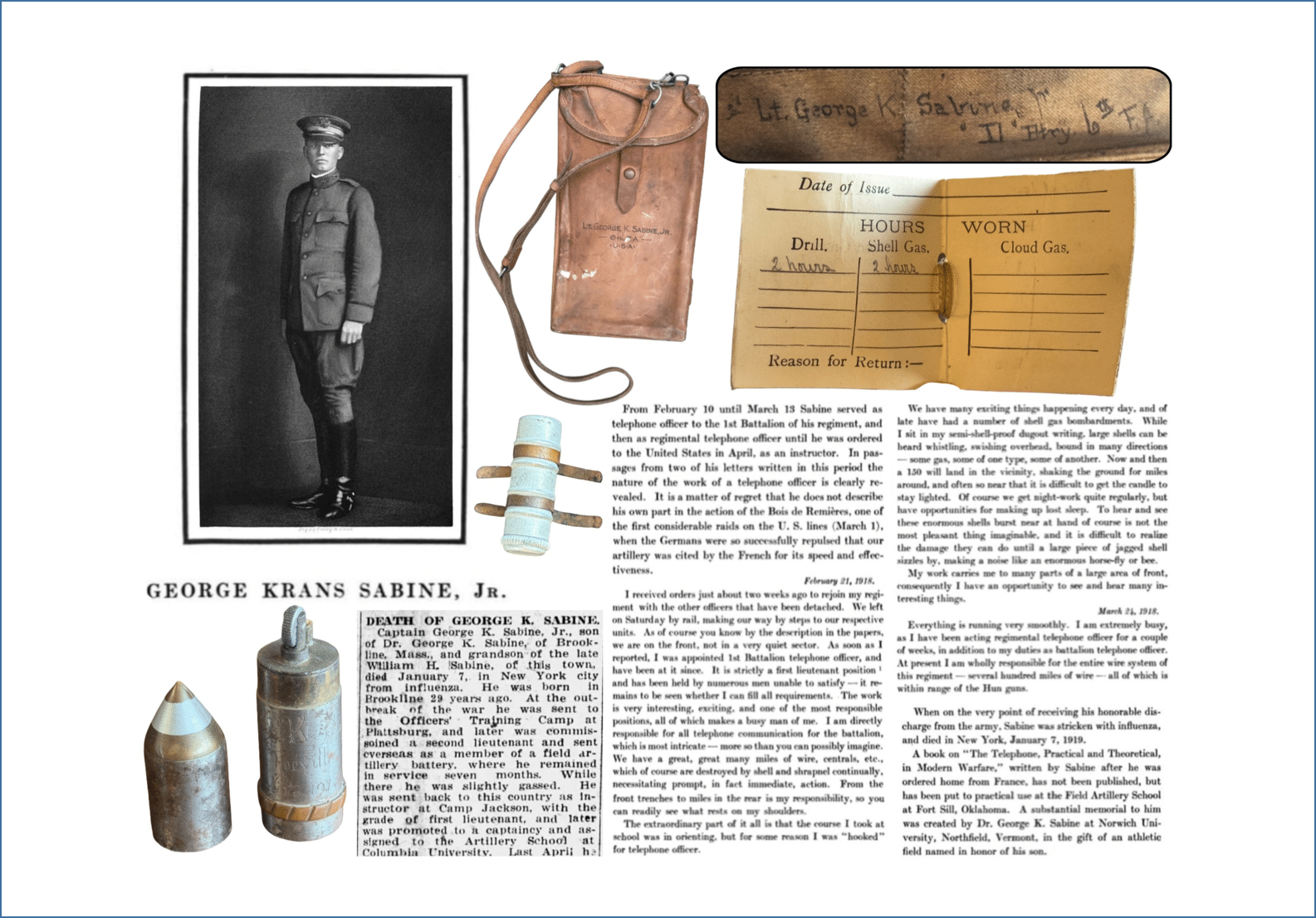
One especially personal example comes from Philadelphia’s Roman Catholic High School. Its community marked the centennial of the first interment at the Tomb of the Unknown Soldier with a prayer for the Unknown Soldier. The tribute honored more than 1,500 alumni who served in the war, sixteen of them as chaplains overseas.
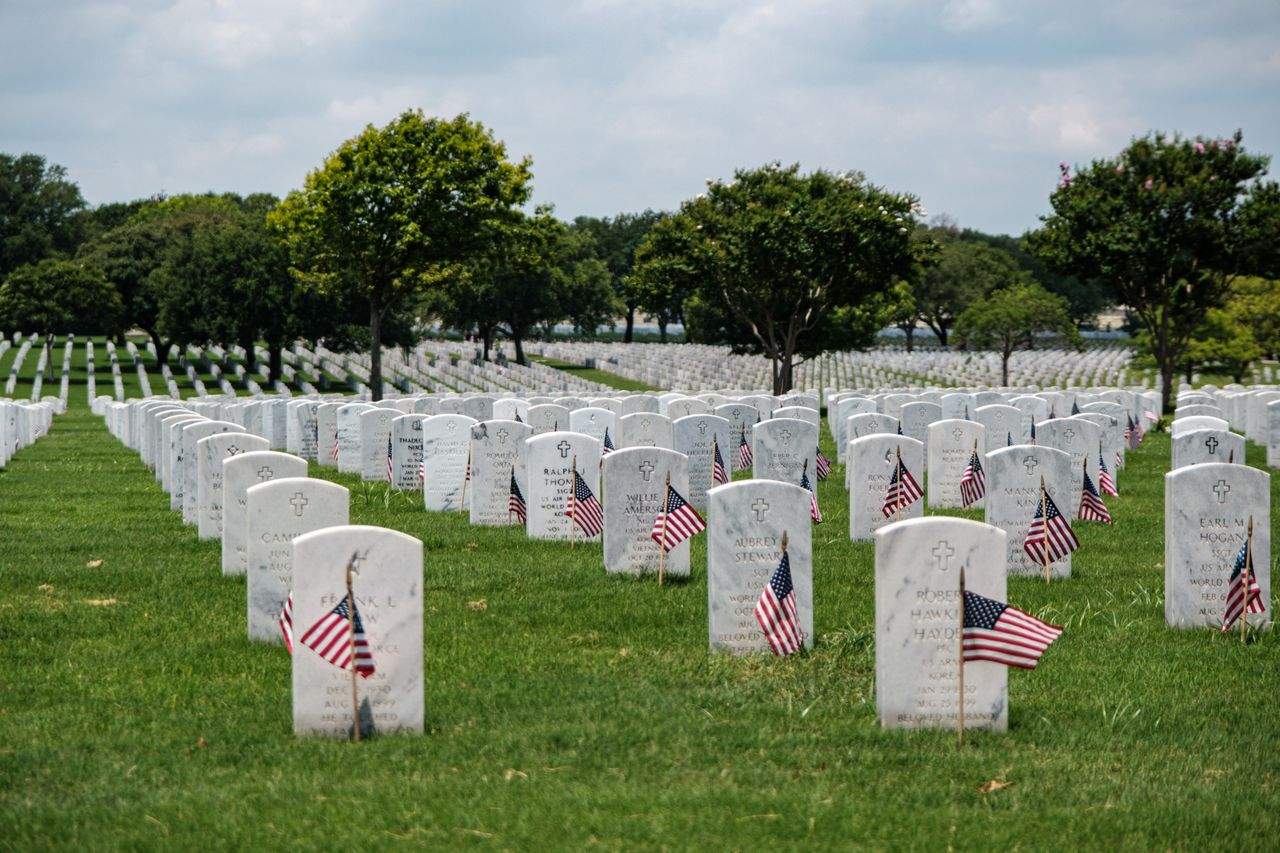
American flags mark rows of graves at a national cemetery, a tradition tied to the same wave of remembrance that produced Philadelphia’s WWI memorials. (Photo by John Hill via Pexels.)
Where Is World War I History in Philadelphia Hidden in Plain Sight?
One of the clearest examples ties World War I history in Philadelphia to one of the nation’s most recognized landmarks: Independence Hall. In November 1918, crowds gathered around a large public map showing Europe’s newly redrawn borders. The moment was captured in a photograph of civilians looking at a new map of Europe, later distributed to newspapers across the country.
The map reflected a continent transformed. Empires had collapsed, and nations such as Poland, Czechoslovakia, and several Baltic states appeared on a map for the first time in generations. Independence Hall, already a symbol of one revolution, briefly became a backdrop for the aftermath of another kind of upheaval altogether.
What Do the Numbers Say About the War’s Toll on the Region?
According to a detailed regional history of World War I published by the Encyclopedia of Greater Philadelphia, the conflict reshaped the area’s workforce almost overnight. New workers poured into shipyards, textile mills, and munitions plants across the city.
Area shipyards alone produced 328 ships during the war years. Thousands of African American workers migrated from the South to fill new industrial jobs, permanently changing the demographics of several Philadelphia neighborhoods. Women also entered factory and clerical positions in numbers the city had never seen before. These shifts did not reverse once the war ended. They set patterns for the region’s population and industry that lasted for decades afterward.
How Can New Homeowners Help Preserve This Hidden History?
New homeowners can help preserve this layer of the past without turning a renovation into a museum project.
The National Park Service’s Secretary of the Interior’s Standards for the Treatment of Historic Properties offer a practical framework for anyone updating one of these older buildings. The guidance favors repair over replacement wherever an original material or detail can reasonably be saved.
Something as simple as documenting an old trunk, letter, or medal before moving it can help. So can asking a contractor to flag anything unusual found behind a wall. Small pieces of World War I-era Philadelphia are easier to lose than people think during an otherwise routine project. None of this requires expertise, only a bit of patience before something old gets thrown away.
Carrying Philadelphia’s Great War Story Forward
World War I history in Philadelphia does not live only in museums. It lives in attics, cornerstones, and ordinary buildings that people pass every day without a second glance. Recognizing it takes little more than curiosity. It also takes a willingness to ask what an old plaque, photograph, or family keepsake might be trying to say. For anyone settling into a new home in one of the city’s historic neighborhoods, that curiosity is worth carrying through the front door. The next small discovery may already be waiting in a drawer, an attic, or a wall that has not been opened in a hundred years.
Stories like this rarely make it into guidebooks. Yet they explain why a short walk through an older Philadelphia neighborhood so often turns into an unplanned history lesson.
Sarah Donahue is a Philadelphia-based freelance writer who covers local history, historic preservation, and the region’s ties to America’s military past. Her work focuses on the small, overlooked details of city life that connect present-day neighborhoods to the events that shaped them.
External Web Site Notice: This page contains information directly presented from an external source. The terms and conditions of this page may not be the same as those of this website. Click here to read the full disclaimer notice for external web sites. Thank you.