War on Film: the American Cinema and World War I, 1914-1941
Published: 6 November 2025
via the Groupdocs VIP website

War on Film header
War on Film: The American Cinema and World War I 1914-1941 offers a fascinating window into how early 20th-century filmmakers grappled with the realities and myths of one of the most transformative conflicts in modern history. From the outbreak of World War I in 1914 through to the eve of America’s entry into World War II in 1941, American cinema not only reflected contemporary attitudes toward the Great War but also helped shape public memory and understanding of it. Exploring this era reveals much about the evolving relationship between war, culture, and media, as well as how filmmakers balanced entertainment with propaganda, historical accuracy, and social commentary.
The Dawn of War Cinema in America: 1914-1918
When World War I erupted in Europe in 1914, the United States initially maintained a stance of neutrality. However, the war’s impact was felt across American society, and the motion picture industry soon began to respond. Early American films about the war often mirrored the nation’s conflicted feelings—both fascination with the dramatic conflict and a desire to stay out of it.
Silent Films and Early War Narratives
During the silent film era, war-themed productions were still experimental in their storytelling and technical capabilities. Films such as “The Battle Cry of Peace” (1915) and “Civilization” (1916) were among the first to grapple with the implications of global conflict. These films often carried a strong pacifist or interventionist message, reflecting the divided public opinion before America’s entry into the war in 1917.
The challenge for filmmakers was to portray the vast scale of the war while limited by the technology of the time. Large-scale battle scenes were often recreated on studio lots, relying on creative staging and practical effects. The war was depicted with a melodramatic flair that sometimes romanticized combat, portraying soldiers as heroic figures fighting for noble causes. This early war cinema played a key role in shaping perceptions of World War I before the U.S. became actively involved.
America Joins the Fray: Film as Propaganda and Morale Booster
Once the United States declared war in 1917, the tone of American war films shifted dramatically. Cinema became a tool for rallying public support, boosting troop morale, and promoting patriotism. This period marked the rise of government collaboration with Hollywood to produce films that aligned with national interests.
Collaboration Between Government and Hollywood
The U.S. government recognized the power of film as a medium to influence public opinion. The Committee on Public Information (CPI), established by President Woodrow Wilson, worked closely with filmmakers to create propaganda that highlighted the heroism of American soldiers and the justness of the Allied cause. Films like “The Kaiser, the Beast of Berlin” (1918) portrayed the enemy in starkly negative terms, helping to galvanize support for the war effort.
Documentary and Actual War Footage
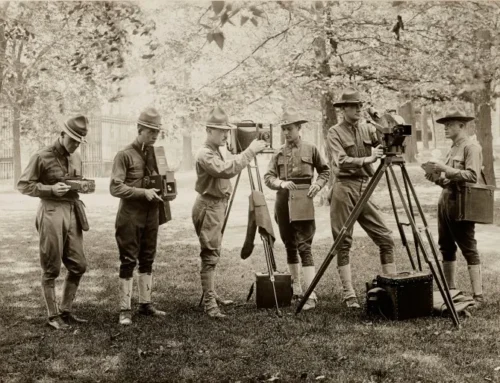
In addition to fictionalized stories, actual war footage began to appear in theaters. The use of real combat scenes and documentary-style films brought the realities of the trenches to American audiences in unprecedented ways. These films provided a sense of immediacy and authenticity that fictional narratives sometimes lacked, making the war’s brutality and sacrifice more tangible to civilians.
Read the entire article on the Groupdocs VIP web site here:
External Web Site Notice: This page contains information directly presented from an external source. The terms and conditions of this page may not be the same as those of this website. Click here to read the full disclaimer notice for external web sites. Thank you.