Veterans Day Began With An Unnecessary War
Published: 11 November 2026
By Jeffrey Folks
via The American Thinker website
American Thinker header image
Those who led us into WWI were not thinking strategically.
November 11 is Veterans Day. Originally declared a national holiday in 1938, its name was changed from Armistice Day to Veterans Day in 1954. It coincides with the anniversary of the end of WWI and honors all who have served in the U.S. armed forces — unlike Memorial Day, which honors only those who died in military service.
Both holidays should be celebrated seriously by all Americans, not just with cookouts (as they often are) or “the beginning or end of summer,” but as a time to reflect on the sacrifices and service that have kept America free. All who have served in our military deserve our thanks and appreciation, and Veterans Day is an ideal time to express it.
This does not mean that all wars we have fought have equal merit. Many still argue that America should not have entered the war in Vietnam, but I’ll leave that for another time. I have always believed that America’s entry into an earlier war, World War One, was a grievous error. The cost in lives (116, 500, including combat and disease) and treasure was great, and the expansion of government under temporary “emergency powers” was the beginning of a permanent expansion with devastating effects we still see today.
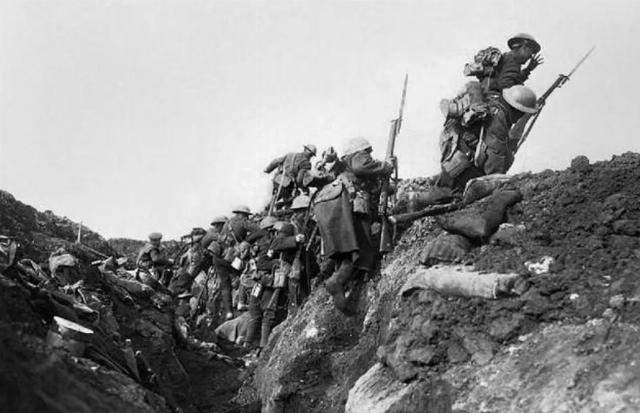
President Woodrow Wilson declared war on Germany on April 16, 1917, just six weeks after his second inauguration, after spending a year campaigning for re-election on the slogan that he had “kept us out of the war.” In the 19 months of war that followed, 53,402 Americans died in combat, with tens of thousands of others dying from influenza and other diseases. These losses were minor compared to the total estimated 9 to 15 million overall who died in WWI, but they still make WWI the third deadliest war in our own history. (Interestingly, the U.S. Revolutionary War claimed only 23,800 dead, and the American Indian Wars, which have received a great deal of treatment in film and fiction, only 919.)
The real significance of these numbers lies not in their nominal values, but in whether the losses were justified. Few would argue that the Revolutionary War was an unnecessary conflict or that WWII could have been avoided. In fact, nearly all wars in our history have been defensive in nature and thus unavoidable. But WWI was the exception, and it resulted from the weakness of a liberal president who lacked the character and will to stand up to pressure to enter the war.
⇒ Read the entire article on The American Thinker website here:
External Web Site Notice: This page contains information directly presented from an external source. The terms and conditions of this page may not be the same as those of this website. Click here to read the full disclaimer notice for external web sites. Thank you.