Finding Mac: A World War I Marine’s Story
Published: 19 January 2026
By Cianna Lee
Special to the Doughboy Foundation web site
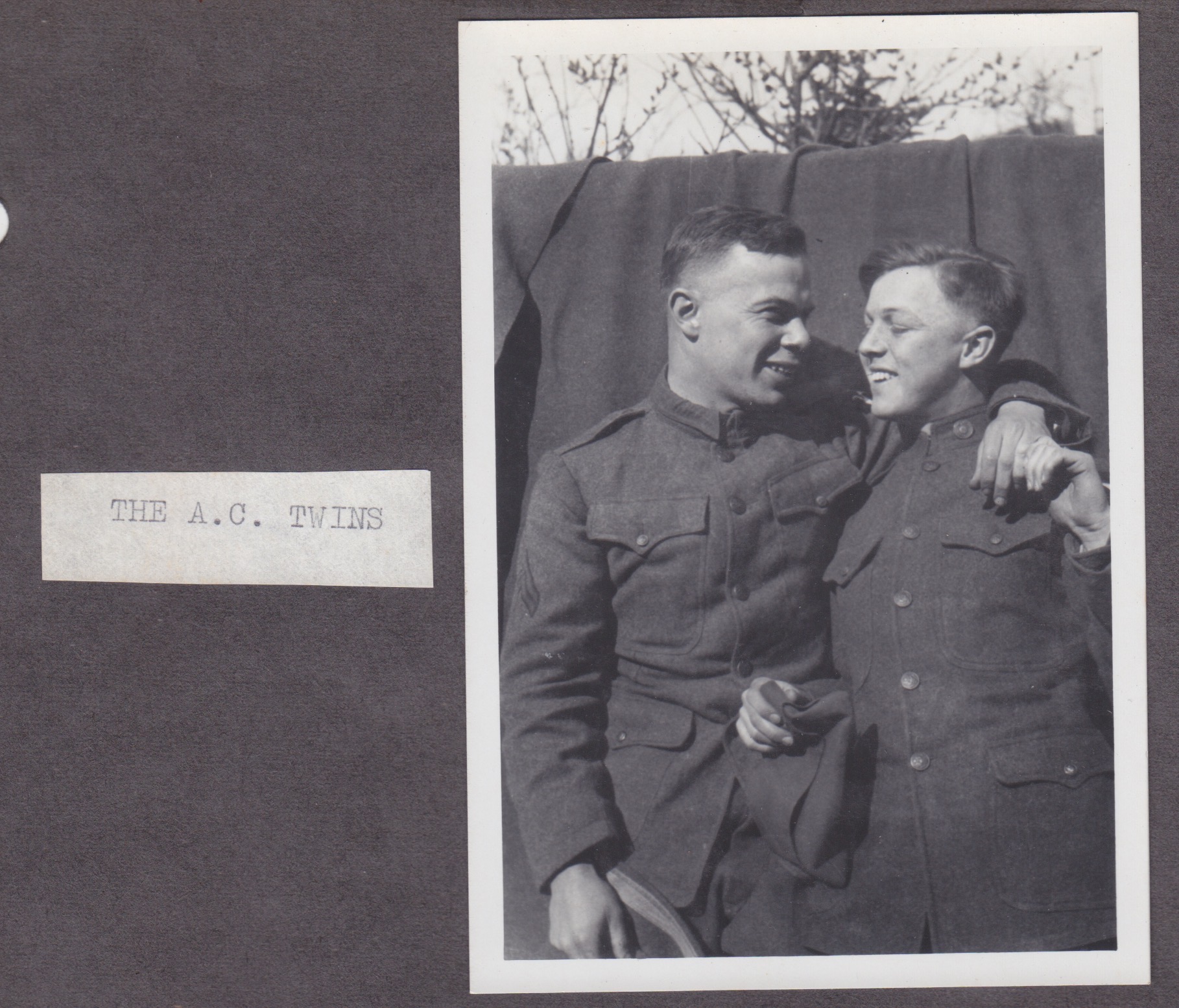
Image of McCorkle & Thomas
Eugene “Reynold” Thomas (right) with his high school and Marine Corps buddy Lou "Mac" McKorkie in Frasnce during World War I.
Eugene “Reynold” Thomas was born in 1898, in Pennsylvania, to George and Evelyn Thomas. In 1917, he would enlist in the war as a marine, and see action. After the armistice was signed, he was sent to occupy Germany with the rest of his detachment. During that time, he sent a series of letters to his family describing what it was like in Germany at the very end of the war and during the German occupation (1919). (One of his stories about his Occupation experiences, “Seeing Tina Home,” was previously published on the Doughboy Foundation website.) Later, he wrote a story highlighting some of the experiences he had with his buddy “Mac” during the war and during the occupation that followed. In the first of four articles showcasing his WWI experiences, here is Thomas’s story about “Mac.”
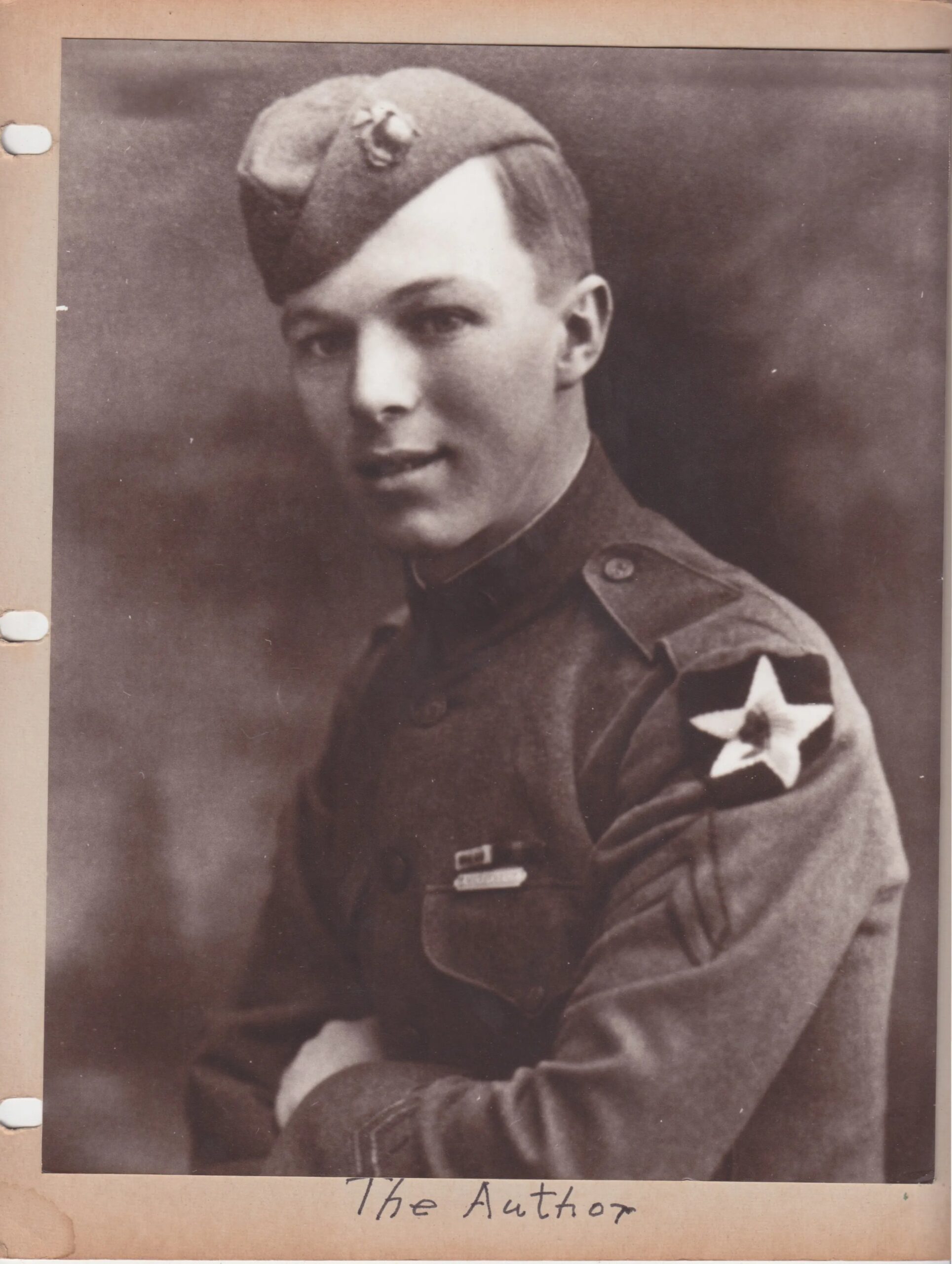
Eugene “Reynold” Thomas
Back in France only a few months ago while still on combat duty with the 5th Marines, I was rated “ace of chowhounds” among my buddies. Even my old high school buddy, McCorkie, conceded me the honor as well as all the work.
Our Company would hit a new town and by the time the outfit was billeted, the streets cleaned and the Company dismissed for the day, I would have “parley-voused” from the civilian population a meal fit for an S.O.S. Colonel. I did all this with the aid of my high school French, some American cigarettes, a few francs and a big smile.
Once, as we were about to sit down to one of these feeds, the regimental Chaplain, Lt. Parks, dropped in on a duty call. Now the Chaplain was a friendly sort of bird and I liked him, especially since he had recently helped me collect two months back pay, so we invited him to join us.
That was one of my prize meals, too. It was cooked up by the female personnel of our billet. We had a chicken and rabbit dinner, from soup to Red Cross cigarettes (left over from my purchases) including wine. We even had sugar for the coffee, “borrowed” from the Officers’ Mess by the Captain’s orderly.
When the meal was finished, Lt. Parks shoved his chair back from the table and holding his packed stomach in the palms of both hands, declared before them all: “Thomas, that was a fine little banquet. Best meal I’ve had since I came to France. These boys are lucky to have a fellow like you to parley-vous such chow. Occasions like these make for a more agreeable war. I hope you will invite me again sometime.”
“Well, sir, this being McCorkie’s farewell dinner, I wanted it to be a good one. It’s worth all the work just to get rid of him. He’s being transferred from this outfit to a soft job back at Division Headquarters. I don’t know what he’s going to do for extra chow though after he leaves me.”
“Seriously, Sir, Mac is a great guy. We were friends in civilian life. We were both in Atlantic City High School when this war broke out. Mac left school and enlisted in the Marine Corps much earlier than I did. Although I became eighteen years old the month before, and thus eligible for enlistment, I had promised my mother that I would not enlist until after Christmas, so had to wait until December 26, 1917 to enlist. After Mac left school, I lost track of his whereabouts until we met over here just after the Soisson action.”
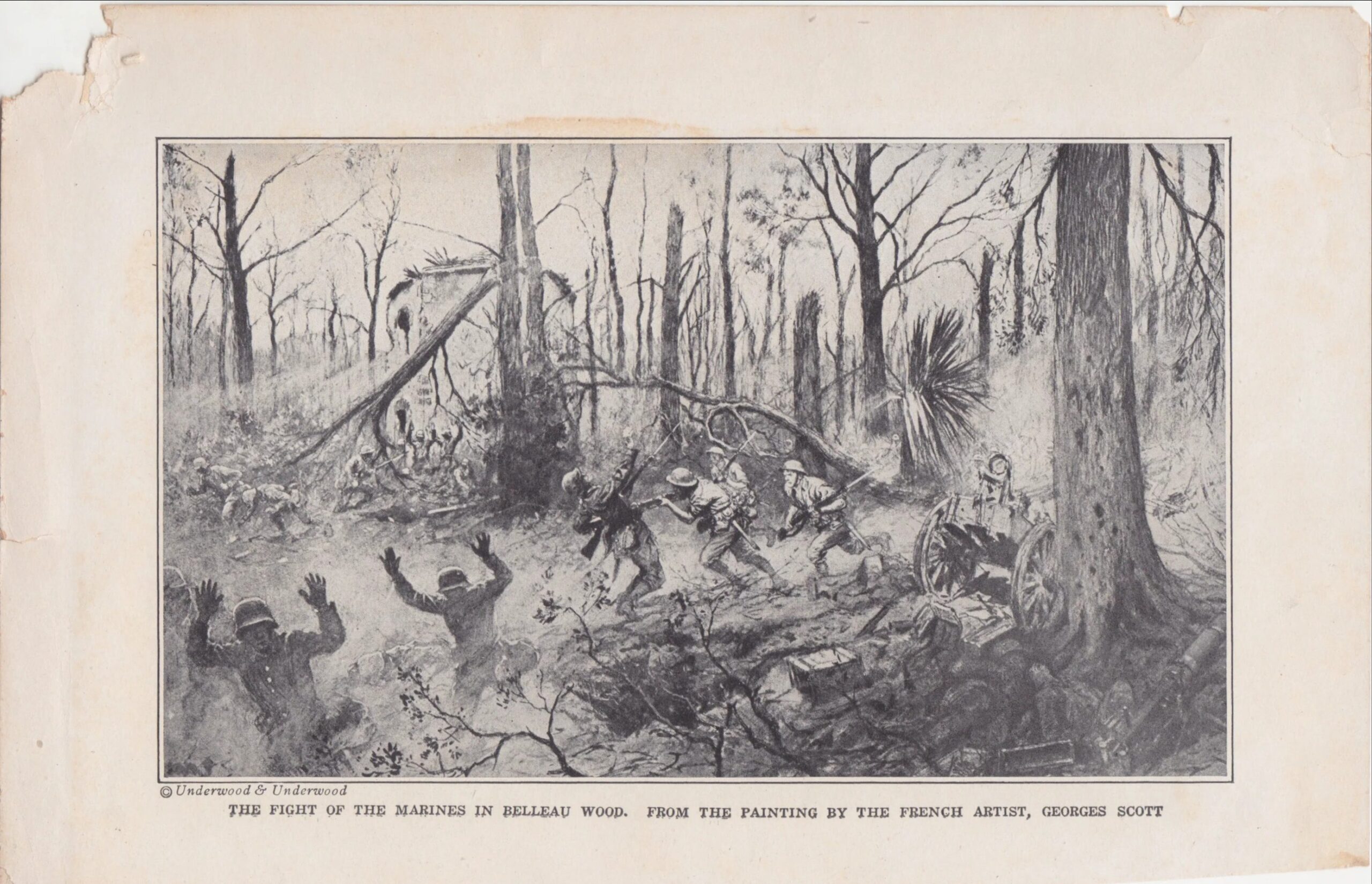
“When we did meet, I was up in the hay loft of a barn, just converted to a sort of field hospital. I had big blisters on the back of my neck, in both armpits and in my groins, all from a barrage of mustard gas we got at Soisson. I walked around like a small gorilla without fur, head forward, arms held out and legs well apart to the amusement of all my friends.”
“I was in the middle of bemoaning all this misery one afternoon when I heard a familiar whistle… our old High School whistle. I looked out of the loft door, saw Mac, yelled and was down on the ground with him in nothing flat. Much to my delight, I learned that he had been assigned to the 55th Company, 5th Regiment, my own outfit. Our First Sergeant told Mac where to find me and we have been soldiering together ever since. Yes, Sir, I’m sure going to miss that big lug.”
Well, “the missing” really didn’t amount to much after all, for Mac dropped in every now and then to eat and talk.
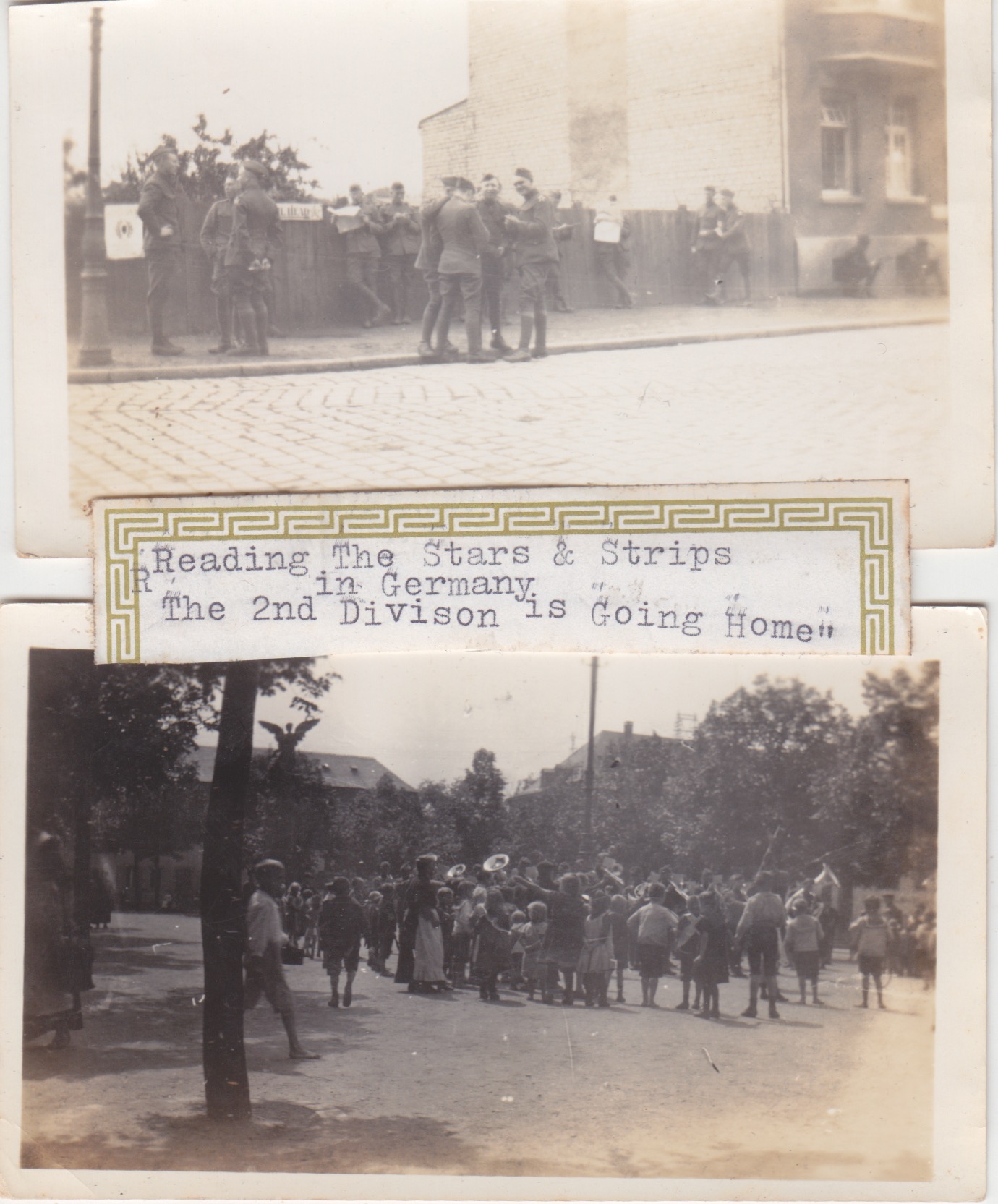 In August of 1919, Reynold would be sent home to New Jersey.
He would move to Cedar Point, NJ, working in the eel grass business. Later, he would meet his wife, Josephine Lehman, a ghost writer, and marry her in 1931.
He would start a new businesses which didn’t make it before landing on dredging, which flourished in Harvey Cedars. In 1955, he was elected mayor, and continued to be a public servant until his death in 1983.
Reynold’s daughter, Margaret, is a writer with Down The Shore publishing, writing about local history and a book focused on her mother’s participation in World War I. You can find her books here.
Cianna Lee is a Senior at Bennington College in Vermont.
External Web Site Notice: This page contains information directly presented from an external source. The terms and conditions of this page may not be the same as those of this website. Click here to read the full disclaimer notice for external web sites. Thank you.