Camp Shelby Museum: Unearthing Mississippi’s WWI Military Heritage
Published: 24 December 2025
By Frank Johnson
via the Wonderful Museums website
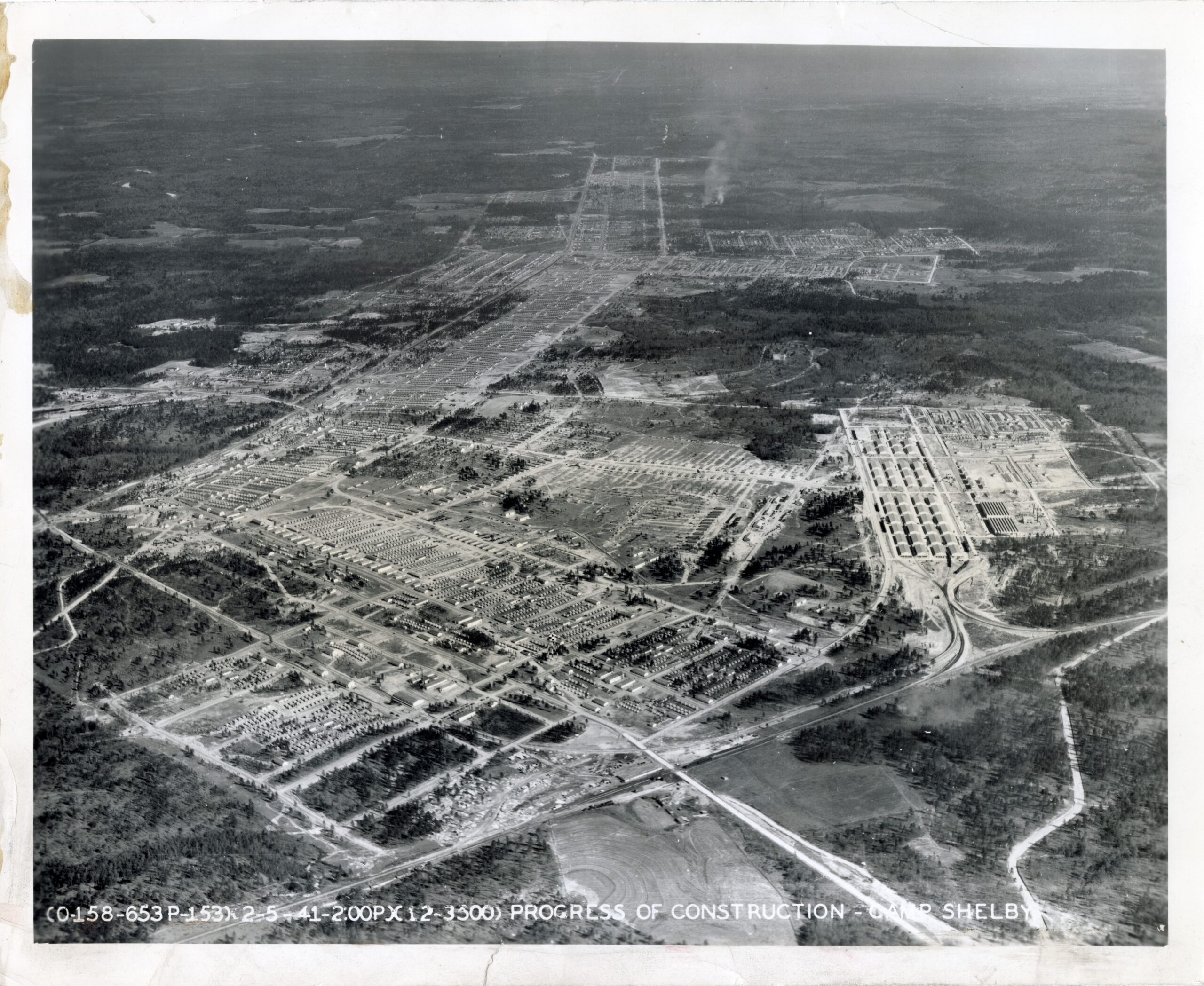
2017-005-001-1
Camp Shelby was built in WWI on terrain consisting of dense woods and hills, ideal for training infantry and tank divisions.
Camp Shelby Museum isn’t just another military display; it’s a profound journey through American history, particularly the often-unsung contributions of Mississippi and its soldiers. I remember, not so long ago, feeling a familiar hesitancy about visiting yet another military museum. Would it be a dry collection of uniforms and dusty weapons? Would it simply rehash battles I’d read about in textbooks? My initial skepticism, I’m glad to report, dissolved entirely the moment I stepped onto the grounds and later, into the hallowed halls of the Camp Shelby Museum. What I discovered was a vibrant, deeply personal narrative of courage, sacrifice, and the enduring spirit of a nation at war and peace. It’s an immersive experience that brings history to life, far beyond what you might expect from a regional military museum, offering unique insights into the profound impact Camp Shelby has had on countless lives and global events. If you’re looking for a genuinely educational and emotionally resonant experience that showcases the backbone of American military strength, then a visit here is absolutely essential. The museum serves as a vital repository of U.S. military history, specifically highlighting the pivotal role Camp Shelby has played from World War I right through to modern conflicts, standing as a powerful educational and commemorative site nestled in the heart of Mississippi.
The Genesis of a Legacy: Camp Shelby’s Storied Past Unveiled
To truly appreciate the Camp Shelby Museum, one must first grasp the colossal historical significance of Camp Shelby itself. This isn’t just a place that hosted a few troops; it’s a sprawling training facility that has molded generations of American soldiers, impacting every major U.S. conflict since its inception. Located south of Hattiesburg, Mississippi, Camp Shelby has evolved from a nascent tent city to a state-of-the-art joint forces training center, a transformation beautifully chronicled within the museum’s walls.
A World War I Birth: From Pine Forests to Training Grounds
Camp Shelby sprang into existence during the fervor of World War I in 1917, established as a cantonment for the 38th Division, an amalgamation of National Guard units primarily from Indiana and Kentucky. The choice of Mississippi for such a massive undertaking wasn’t arbitrary; the area offered vast, undeveloped land, a temperate climate for year-round training, and crucial access to rail lines. What began as a temporary tent city for thousands of young men quickly blossomed into a fully functional training base. Imagine the scene: thousands of raw recruits, fresh from farms and factories, suddenly thrust into military life amidst the towering pines of South Mississippi. The museum expertly captures this raw, formative period with photographs, personal accounts, and artifacts that speak to the challenges and camaraderie forged in those early days. You really get a sense of the rapid mobilization and the sheer scale of the effort required to prepare America for the “war to end all wars.”
The Interwar Years: A Struggle for Survival
Following the armistice, Camp Shelby, like many other temporary camps, faced an uncertain future. Much of its infrastructure was dismantled, and it reverted to a largely dormant status. Yet, thanks to the foresight and persistence of local and state leaders, portions of the camp were preserved, particularly for National Guard training. This period, often overlooked, was crucial. It kept the dream alive, a testament to the belief that such a strategic asset should not be lost. The museum touches on these leaner years, demonstrating how even in times of peace, the seeds of future preparedness were being carefully nurtured, ensuring that when the next global crisis emerged, the foundations for a rapid response would already be in place.
⇒ Read the entire article on the Wonderful Museums website here:
External Web Site Notice: This page contains information directly presented from an external source. The terms and conditions of this page may not be the same as those of this website. Click here to read the full disclaimer notice for external web sites. Thank you.