Preventing Industrialized Atrocity: From World War to the Age of Automation
Published: 24 August 2026
By Tristan Miller
via the New Lines Institute website
GettyImages-2240240154-1536×1024
(GettyImages-2240240154-1536x1024)
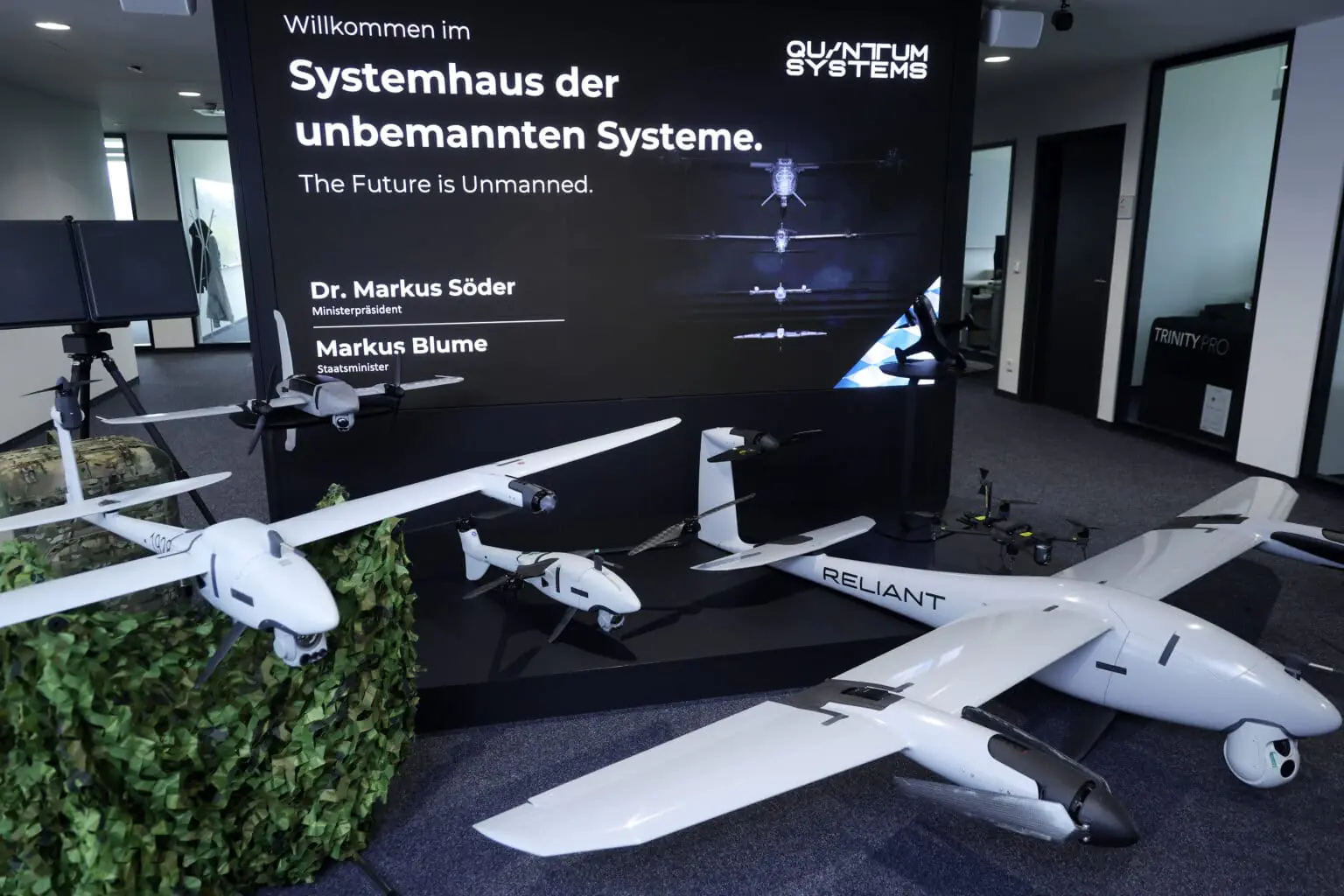
Mutual dependence often defines the relationship between industry and warfare. Wartime technological demand places pressure on civilian industries to support state defense-building while providing powerful financial incentives to do so — and most technologies developed with dual-use potential have inherently blurred the line between civilian and military applications. In Europe, this Cold War-era “military-industrial complex” concept has become a recurring structural condition driven by strategic necessity.
Core to this concept is the persistent blurring of boundaries between civilian and military production. In peacetime, these two spheres appear distinct. Civilian industries build cars, planes, and software and enhance the exchange of commercial goods. In periods of geopolitical stress, however, these industries are rapidly reconfigured for military production. This is the reality of dual-use industries, adapted in both world wars and currently reemerging in Europe.
While wartime production mobilization may be necessary, the rapid transition toward a conflict-driven industrial economy must be governed by legal and ethical constraints to prevent the conversion of dual-use technologies into instruments of atrocity. World War I’s mobilization of civilian industries to World War II’s total war methods and today’s rearmament and proliferation of dual-use industries illustrate the necessity of legal and policy integration by highlighting the risks posed by these industries when unconstrained.
A History of Military-Industrial Complexes
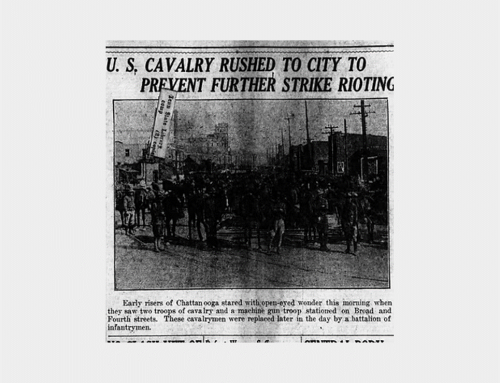
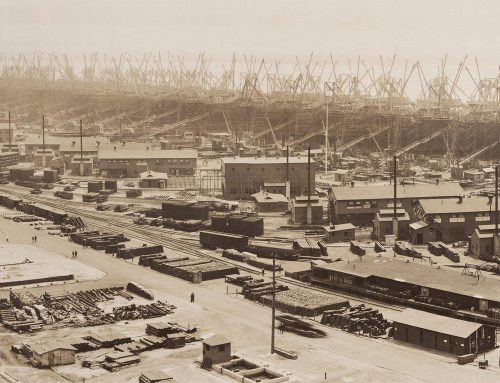
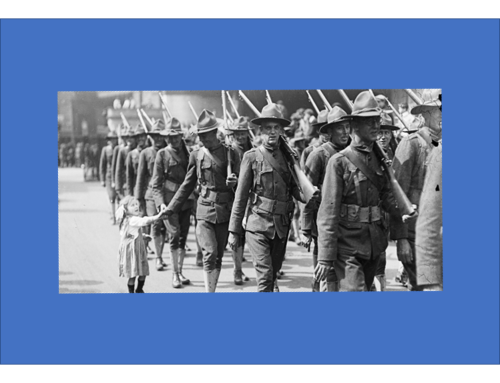
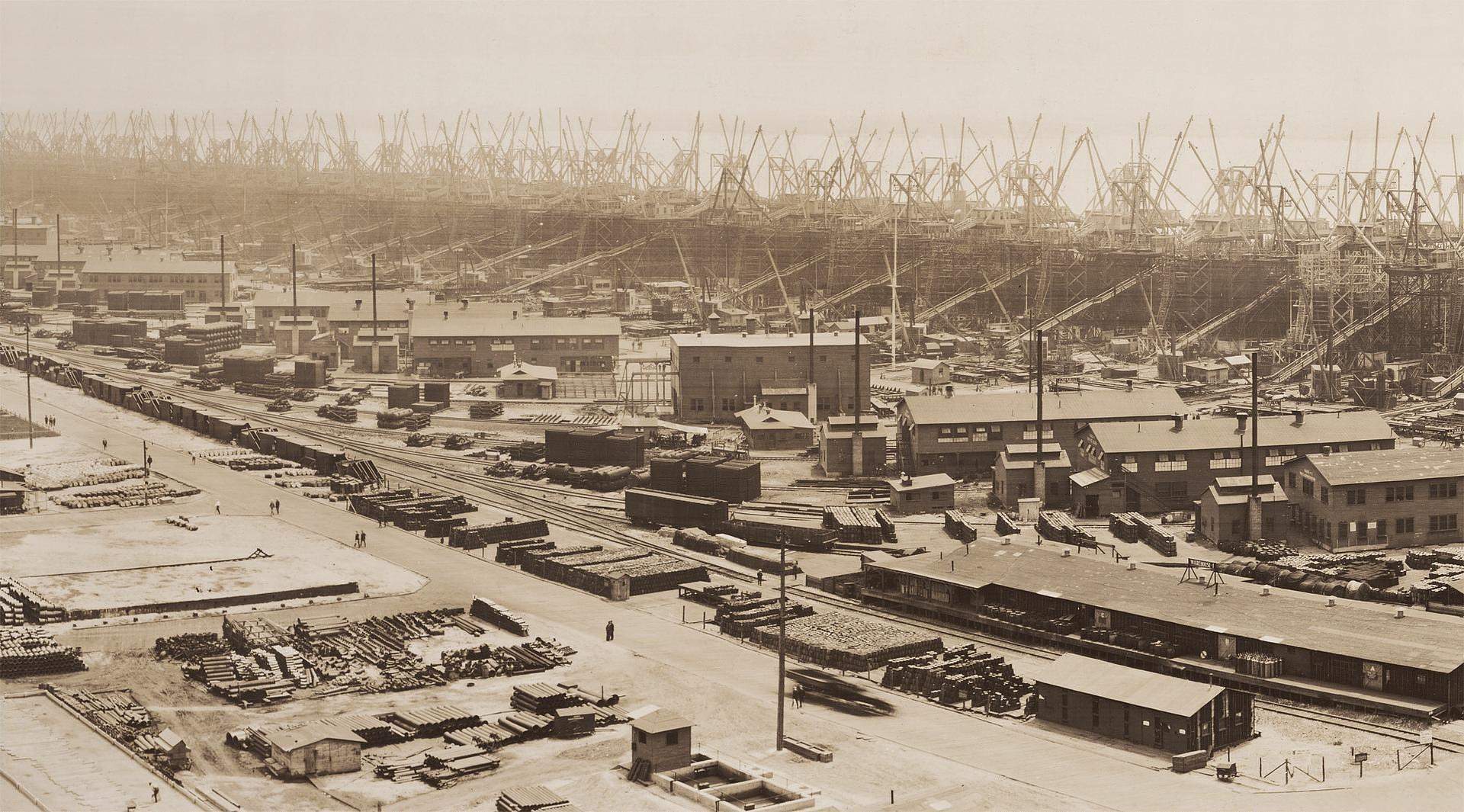
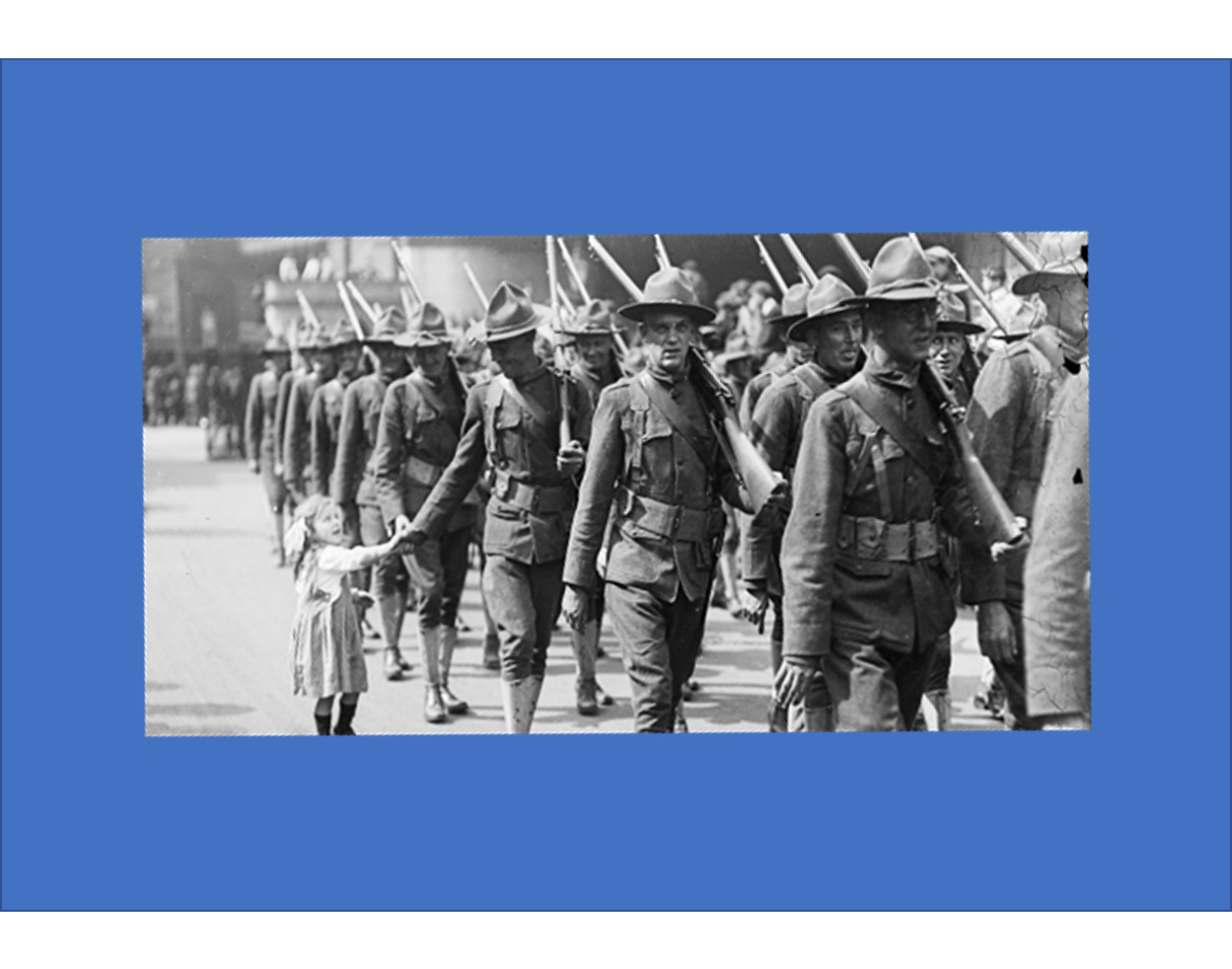
World War I greatly accelerated the process by which private civilian businesses were tapped as military manufacturers. European economies at the dawn of WWI were unprepared for the scale of the conflict. Unable to keep up with wartime demand for weapons and materiel, governments turned to civilian industrialists to regulate production.
In 1916, not long before the United States entered the war, the U.S. Chamber of Commerce wrote that “a ‘mobilized economy’ will make individual manufacturers and business men and the Government share equally in responsibility for the safety of the nation.” Upon request of the U.S. government, this partnership was the first time these separate spheres were explicitly integrated. Across Europe, firms including Rolls-Royce and Bayer shifted from civilian to military production, establishing partnerships with governments that would persist long after the war ended.
World War II strengthened this connection. The conflict represented the most complete manifestation of the European military-industrial complex, mobilizing entire societies for war production. As a result, companies focused on civilian production became key to warfare strategy. Rolls-Royce and other companies surged, and production for civilian use was relegated to a secondary concern.
In the hands of the German state under the Nazis, however, the same productive apparatus that enabled the Allies’ victory became a mechanism for systematic atrocity. Firms such as Volkswagen, Daimler-Benz, and BMW became deeply integrated into the German war economy. Following Hermann Göring’s Four-Year Plan to make the German economy self-sufficient, these companies fit seamlessly into the wartime production model: They were direct participants in sustaining the regime’s military and labor systems. These manufacturers not only produced military vehicles critical to the Nazi’s erasure of the Jews and other minority populations, but they also used forced labor drawn from occupied populations and labor camps extensively.
Nazi-directed industrial production touched other economic sectors, including chemical manufacturing. Even before the war began, the pharmaceutical conglomerate IG Farben demonstrated support for the Nazi regime with large campaign contributions to the National Socialist party and by shifting production to synthetic rubber, fuel, and explosives designated to sustain war efforts. As its partnership with the Nazi regime deepened, the company sponsored construction of a massive factory near concentration camps in Auschwitz, Poland, which provided prisoners both to build the factory and to perform forced labor there. IG Farben and other companies were later held directly responsible for war crimes, including the harsh labor conditions resulting in the deaths of tens of thousands of workers. IG Farben also mass-produced Zyklon B, a cyanide-based pesticide used in Nazi extermination camps to kill more than 1 million people, which was quickly deployed in the final stages of the conflict in the European theater.
As this history demonstrates, when left unchecked, civilian-military integration can create the capacity for new atrocities. As governments mobilized civilian industries for war, they also conscripted them – explicitly or implicitly – into chains of command that extended the state’s capacity for violence. Who stands in that chain, who has the power to say no, and where does culpability attach when the machinery of war produces war crimes becomes serious points of concern when private industries are contracted for military production? Defense mobilization using civilian industries can be essential for national survival and success in war, but when it results in atrocity crimes, diffusion of responsibility across state and corporate actors makes accountability all the harder to assign.
In the case of the Rwandan genocide in the 1990s, France supplied the Hutu-led government with weapons from state-owned and dual-use civilian manufacturers. Despite numerous investigations, neither the French government nor its companies were held accountable. This provides a stark example of the diffusion of responsibility that obscures blame when civilian industry becomes enmeshed in the machinery of war.
⇒ Read the entire article on the New Lines Institute website here:
External Web Site Notice: This page contains information directly presented from an external source. The terms and conditions of this page may not be the same as those of this website. Click here to read the full disclaimer notice for external web sites. Thank you.