20 Images and Facts From World War I
Published: 13 August 2026
By Patrick Nichols
via The Scroller website
The Scroller header
World War I is often reduced to a handful of familiar images: soldiers in trenches, enormous artillery pieces, and battlefields covered in mud. The reality was much broader and, in many ways, stranger than those pictures suggest. Millions of people were pulled into a conflict that changed borders, technology, politics, and everyday life on a massive scale.
These images and facts offer a chance to look beyond the usual version of the story. Some details are difficult to believe, while others reveal what daily life was like for the people caught up in the war. Together, they fill in some of the gaps between the famous moments and the human experiences that aren’t always included in the books. Let’s dive into 20 images and facts from WWI.
1. It was a war fought in the mud
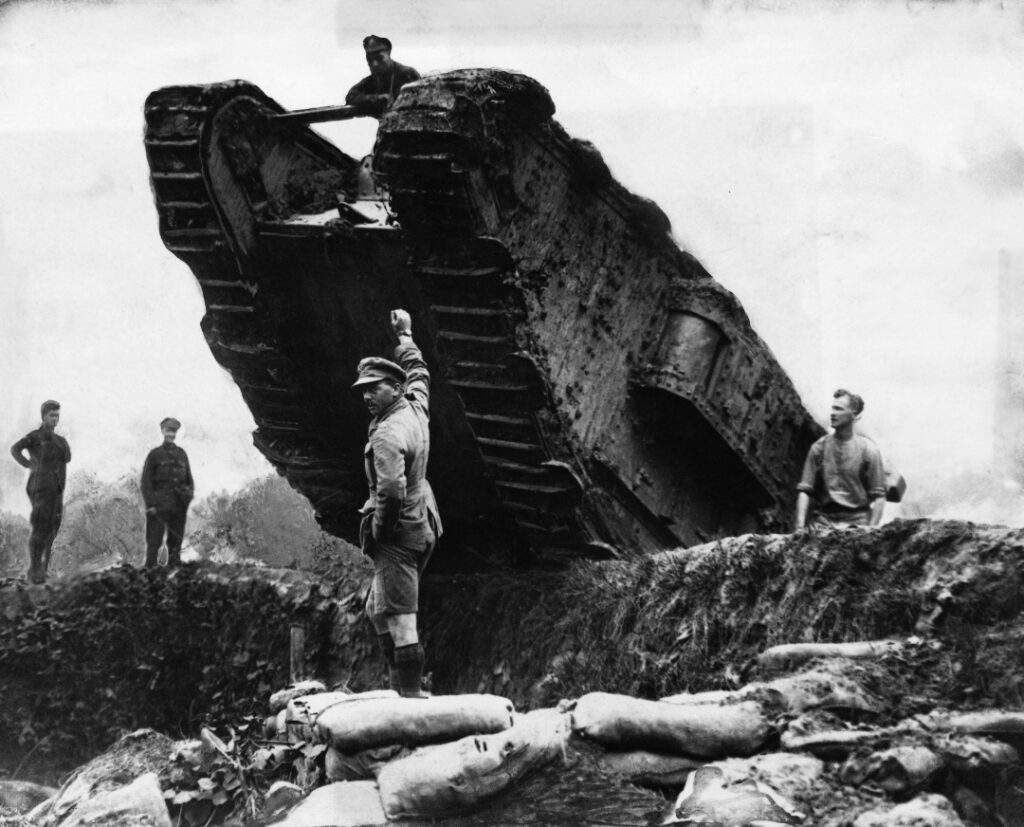
(eaglemaxie/via reddit.com)
Much of the fighting on the Western Front was defined by trench warfare, a brutal, stagnant style of combat where soldiers lived and fought in deep ditches dug into the earth. These trenches stretched for hundreds of miles from the North Sea to Switzerland.
Life in the trenches was grim: soldiers endured mud, rats, lice, disease, and constant bombardments. Despite the enormous human cost, battles often resulted in minimal territorial gains, leading to a war where wearing down the enemy mattered more than anything.
2. The bloodbath of Somme
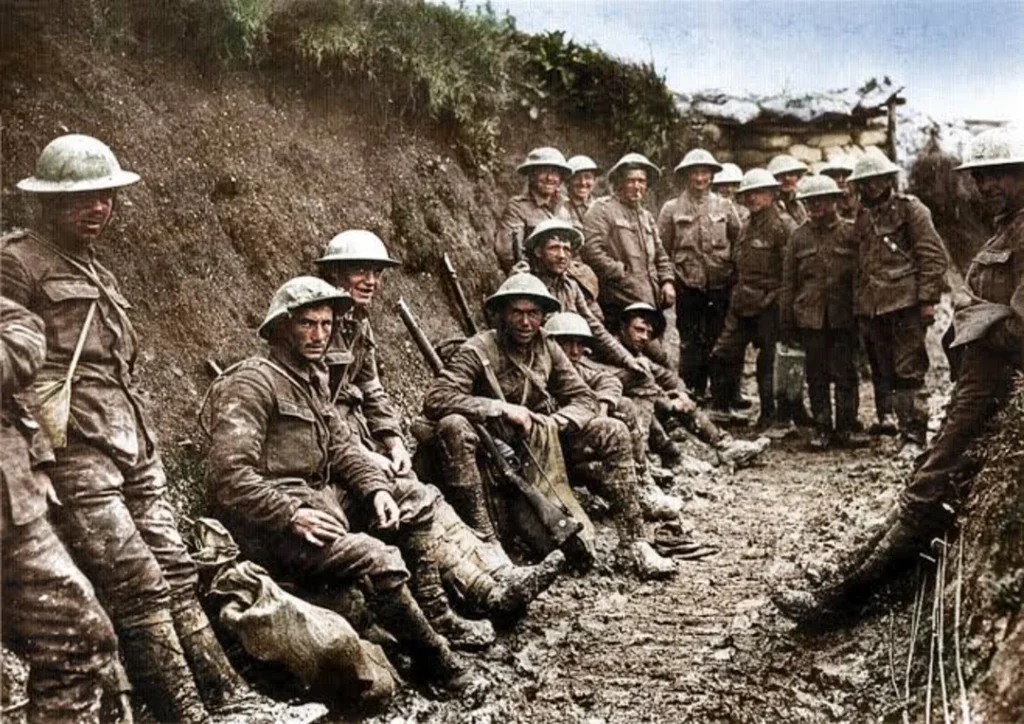
(5_frog_margin/via reddit.com)
One of the most infamous battles of World War I was the Battle of the Somme, launched in July 1916. In just one day, over 57,000 British soldiers were killed, wounded, or missing. By the time the battle ended months later, over 1 million men had been killed or wounded.
The Battle of the Somme epitomized the futility of trench warfare, as massive artillery attacks and infantry advances resulted in little strategic gain.
3. WWI and chemical warfare
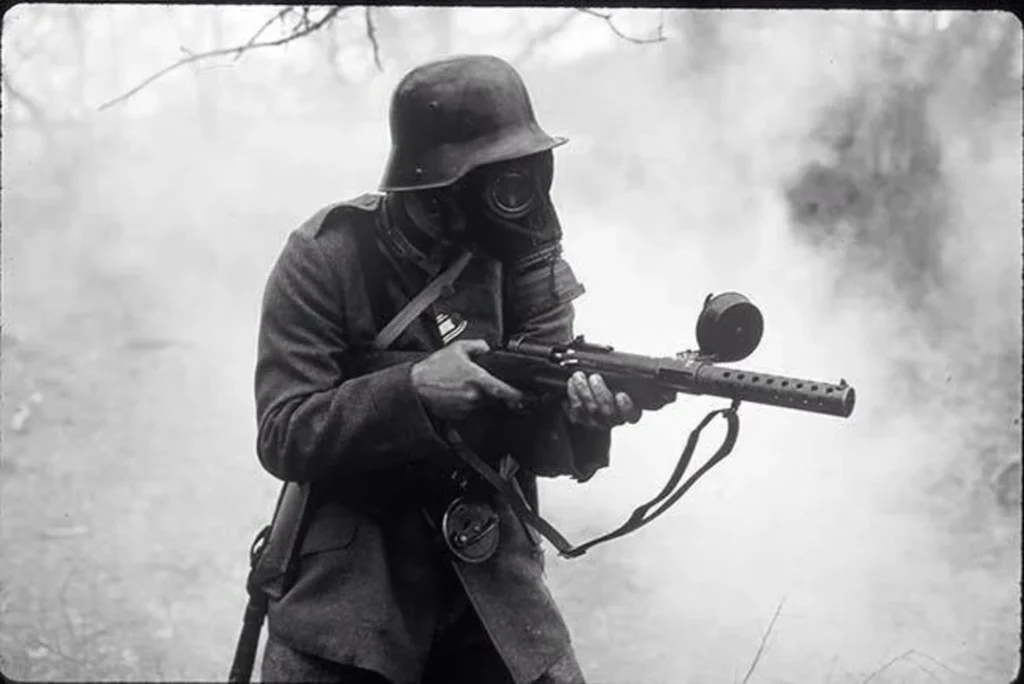
(userdeleted/via reddit.com)
World War I introduced chemical warfare on an unprecedented scale. Poison gases like chlorine, phosgene, and mustard gas were used by both sides, causing blindness, severe burns, and agonizing deaths.
Gas attacks could come silently with the wind, giving soldiers little time to put on gas masks. The psychological impact was enormous, and the use of gas changed how war was fought forever. It also spurred international efforts after the war to ban chemical weapons due to their horrific effects.
⇒ Read the entire article and see more photos on The Scroller website.
External Web Site Notice: This page contains information directly presented from an external source. The terms and conditions of this page may not be the same as those of this website. Click here to read the full disclaimer notice for external web sites. Thank you.