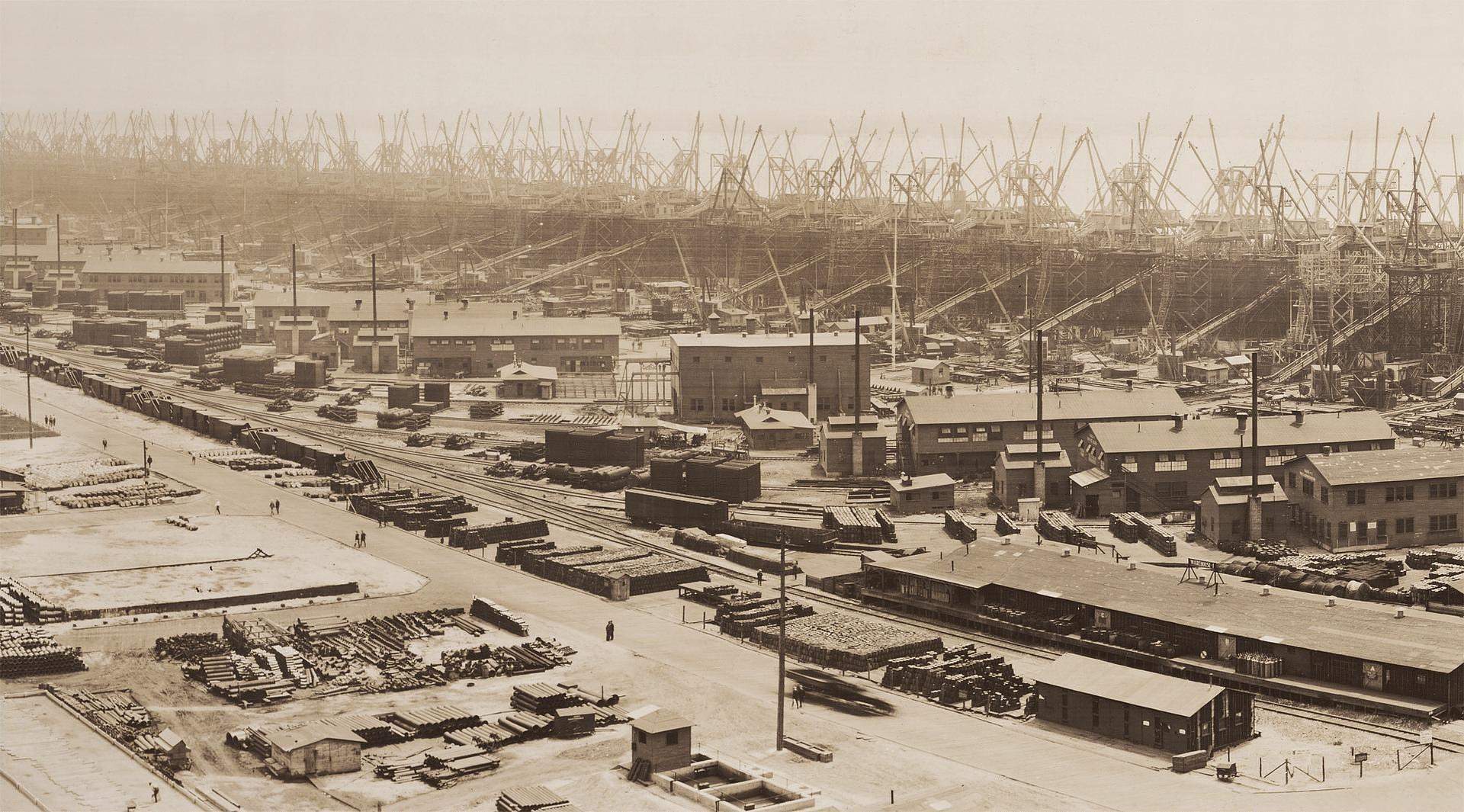
7 Everyday Products That Came Out of WWI
Published: 12 May 2026
By Tony Dunnell
via the History Facts website
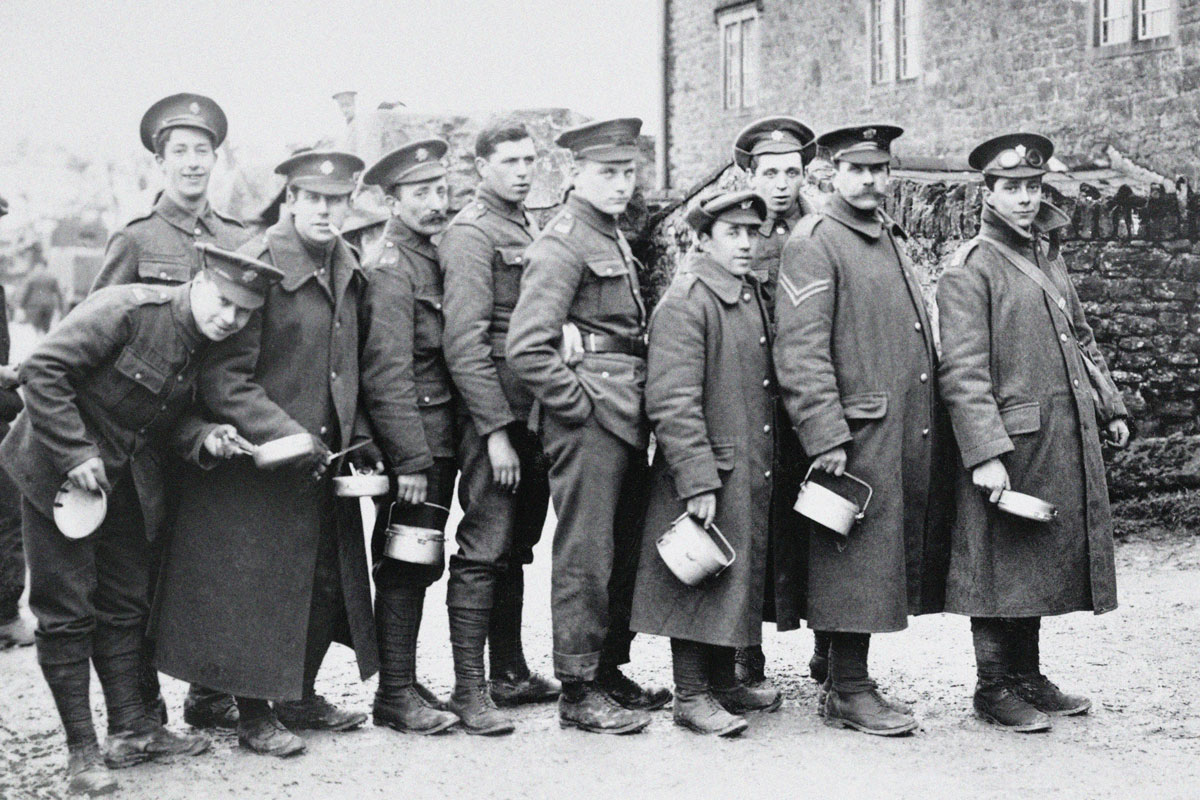
Everyday-Products-from-WWI-Trench-Coats
World War I lasted four long years, and the unprecedented scale of the conflict demanded rapid innovation and resourcefulness. The brutal war of attrition, characterized by trench warfare, created many problems to be solved, from the desperate need to treat wounded soldiers to the challenge of feeding armies and maintaining communications across vast distances.
The pressures of wartime necessity sparked a wave of creativity that led to the development of numerous technologies and products — some of which went on to become staples in our everyday lives. Here are seven products that came out of World War I that we largely take for granted today.
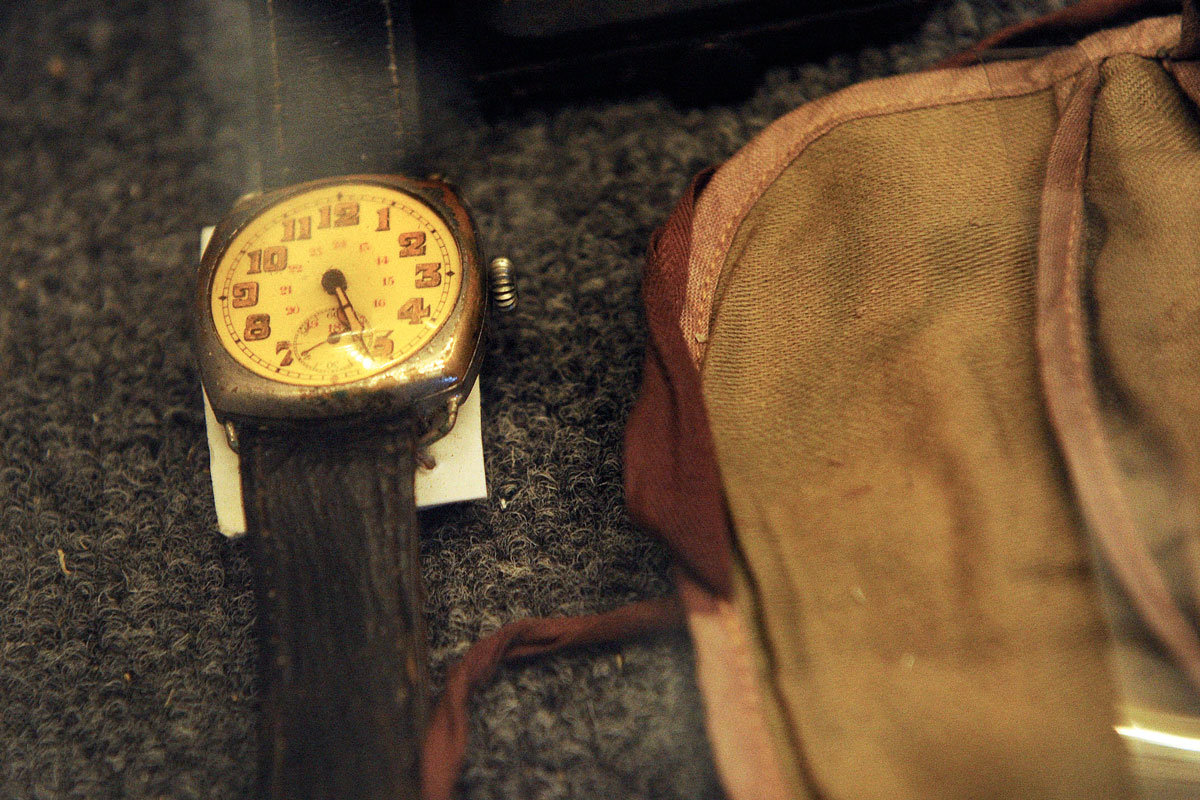
Wristwatches
Before the First World War, wristwatches were worn almost exclusively by women as fashion accessories. Most men used pocket watches, which had been around since 1700, but these were impractical for trench warfare. During World War I, wristwatches grew in popularity, initially among the officer classes. New watch designs emerged that were larger, stronger, and often featured luminous dials for ease of reading in low-light conditions — vital for coordinating attacks and artillery barrages.
Rank-and-file soldiers from Britain saw their officers wearing wristwatches, and soon started buying their own. By the time the United States entered the war a year before it ended, troops were being issued wristwatches as part of their gear. These new accessories not only were practical, but also became a symbol of courage and bravery, helping establish wristwatches as a mainstream product after the war.
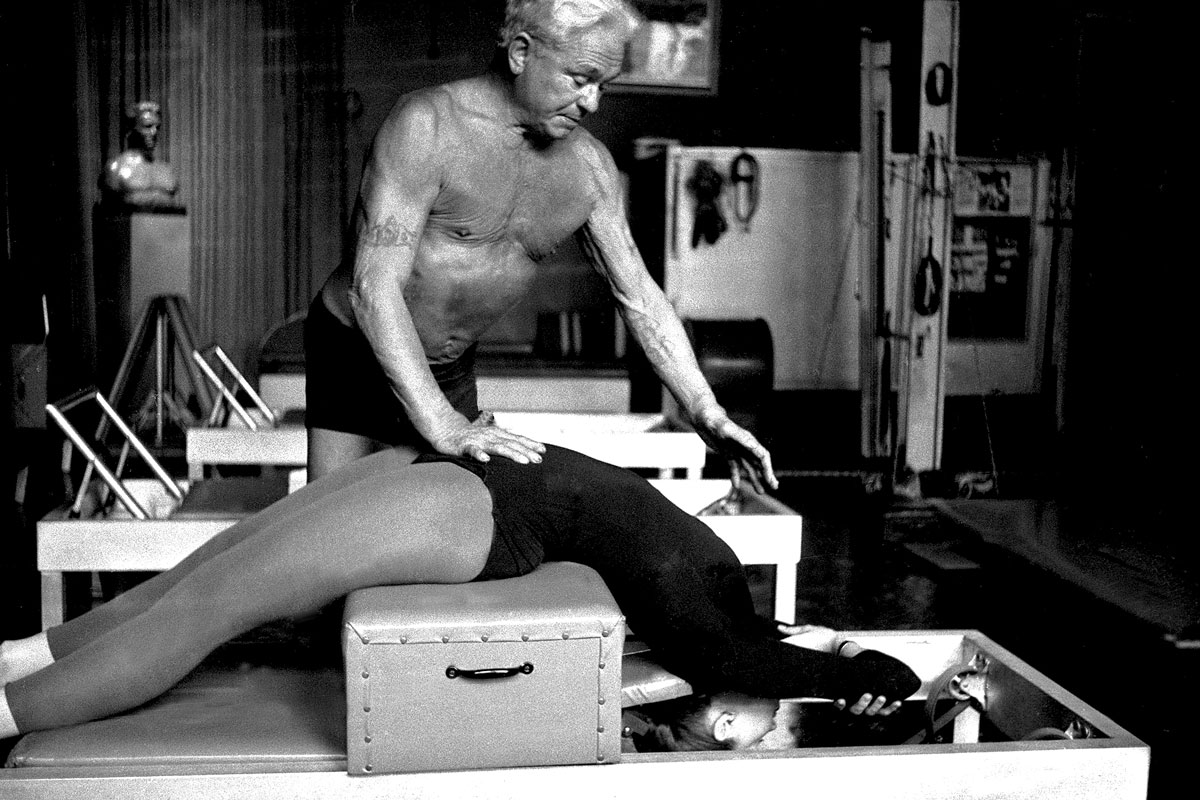
Pilates
After the outbreak of World War I, Joseph Hubertus Pilates, a German physical trainer and inventor, was interned as an enemy alien on the Isle of Man. During his three-plus years at the internment camp, Pilates developed a regimen of muscle strengthening through slow and precise stretching and physical movements, using minimal equipment.
To allow those who were confined to their beds to exercise, Pilates used springs and straps from the beds as resistance training, greatly aiding their rehabilitation. He later opened a fitness studio in New York City in 1925, offering the exercise system he developed during the war to the general public. He went on to patent 26 exercise apparatuses, and his eponymous Pilates regime gained worldwide popularity.
Read the entire article on the History Facts website here:
External Web Site Notice: This page contains information directly presented from an external source. The terms and conditions of this page may not be the same as those of this website. Click here to read the full disclaimer notice for external web sites. Thank you.