5 Odd Rules U.S. Soldiers Followed When Writing Letters Home from WWI and WWII
Published: 22 October 2026
By Nikole Stewart
via the Yahoo! website
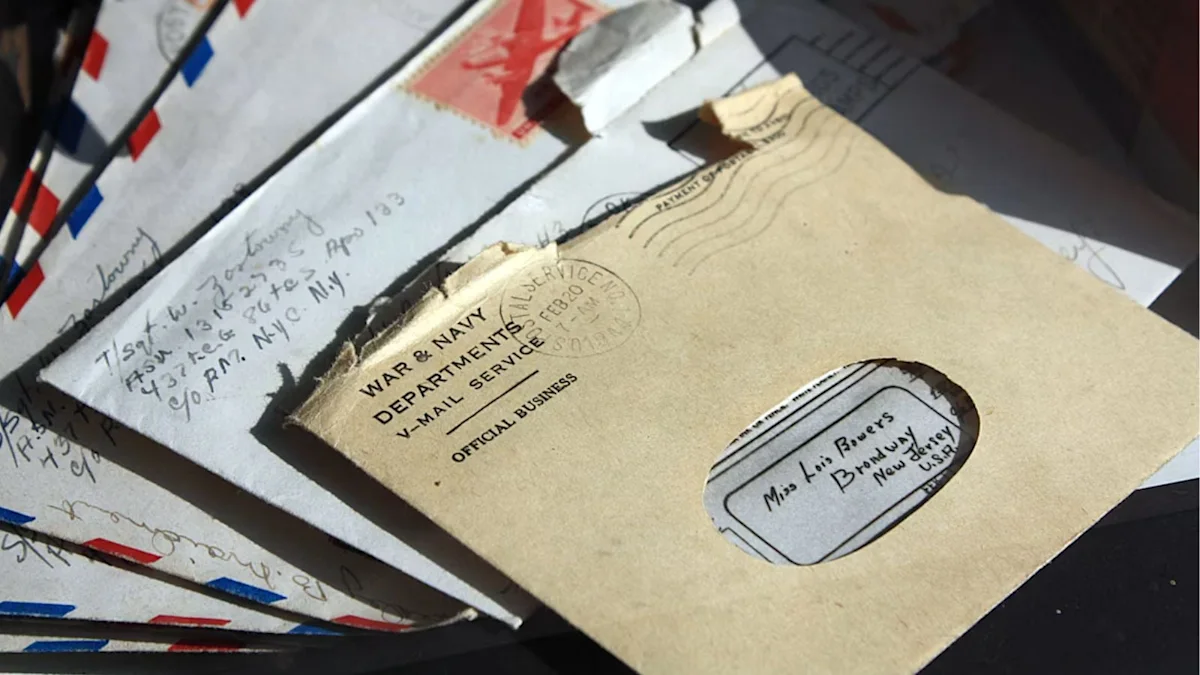
Mail envelopes
The military has some odd rules that might not make sense to most of us. One of the top examples is these odd rules U.S. soldiers followed when writing letters home. These examples that come from World War I and World War II seem odd to us, but were practical security measures.
5. Soldiers Couldn’t Reveal Where They Were Stationed
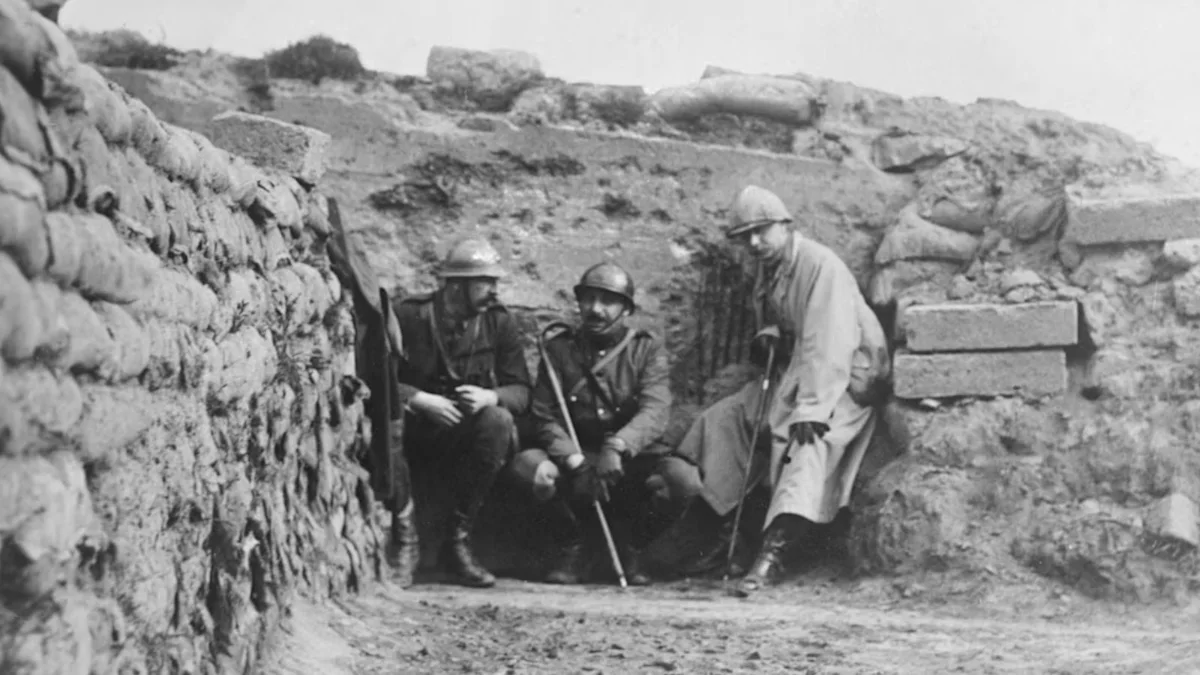
During wartime, American soldiers were forbidden from including sensitive details about their locations, unit identities, or movements in letters home. This might seem silly when you think about someone back home reading this, but imagine these letters ending up in enemy hands. This harmless, or so it seems, information could easily cause a catastrophe for many.
4. They Had to Keep Letters Within a Strict Line Limit

Another one of the many odd rules U.S. soldiers followed when writing letters home is that they had to keep letters within a strict line limit. During World War II especially, some people held in U.S. enemy-alien detention camps faced strict correspondence limits. Although these rules applied to detainees rather than ordinary American servicemen, they illustrate just how restrictive wartime letter-writing controls could become. Letters were limited to 24 lines, while postcards were limited to seven.
3. They Couldn’t Complain About Certain Conditions in Censored Correspondence
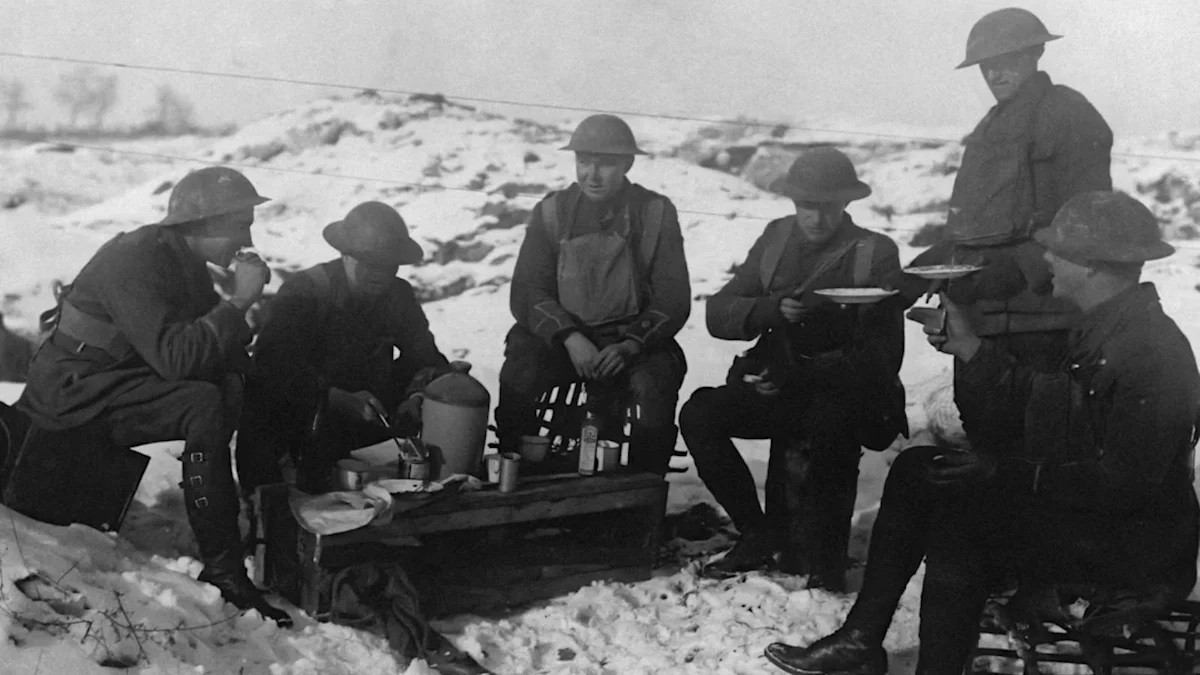
When you’re in war, it might be nice to write about all the complaints you have. The conditions, the environments, the day-to-day lifestyle. Unfortunately, that wasn’t allowed. Wartime censorship could go beyond protecting troop movements, according to the National Archives. In World War II enemy-alien detention camps, writers were prohibited from complaining about camp conditions or their individual treatment, including medical care.
⇒ Read the entire article on the Yahoo! website.
External Web Site Notice: This page contains information directly presented from an external source. The terms and conditions of this page may not be the same as those of this website. Click here to read the full disclaimer notice for external web sites. Thank you.